Real FOMO: What to Do When You’re Missing Out Because of Chronic Illness


We all want to be happy. And understandably so. Happiness doesn’t just feel good, it also protects your physical and mental health and lengthens your life.
But our modern-day fixation on happiness has some downsides. When you expect to wake up with a smile every day, it can be hard to deal with the sadness and anxiety you’ll inevitably feel. Accepting negative emotions as a normal part of life may actually protect you from developing depressive symptoms. What’s more, because there’s so much focus on what you yourself can do to feel happier, our positivity culture puts a lot of responsibility on a person’s shoulders. If you aren’t jumping for joy, you must be doing something wrong.
One of the reasons why we struggle with the pursuit of happiness, is the way we define being happy.
Happiness can mean a lot of different things to different people. In the English language and positive psychology field, ‘happiness’ can refer to:
You’ve probably read plenty of headlines about “20 ways to feel happier instantly” in the past few years. And although it’s important to learn how you can cultivate more positive emotions like hope, joy and awe, we pay a lot of attention to our day-to-day fluctuations in happiness. But being cheerful all the time under tough circumstances like chronic illness, financial problems and relationship troubles is hard – and arguably not that healthy.
What if we’d focus more on happiness as an overall, long-term sense of contentment? Instead of being triggered by outside events or momentary thoughts, true happiness would be more about how satisfied you are with your life most of the time. Not that you should be happy-go-lucky every day, but that you experience an enduring appreciation of your family and friends, career or life-as-a-whole.
Even if life isn’t picture-perfect, you can still be genuinely happy. Rather than chasing ideal circumstances, you can cultivate an inner steadiness by practicing mindfulness and staying grounded in the present moment, accepting life’s inevitable ups and downs without being defeated by them, and nurturing compassion, for others and for yourself. Small, consistent habits like a short daily meditation, reframing negative thoughts, or simply slowing down to appreciate what’s already good in your life can quietly shift your baseline sense of wellbeing over time.
To ponder what true happiness means to you, take a look at these 15 uplifting happiness quotes.
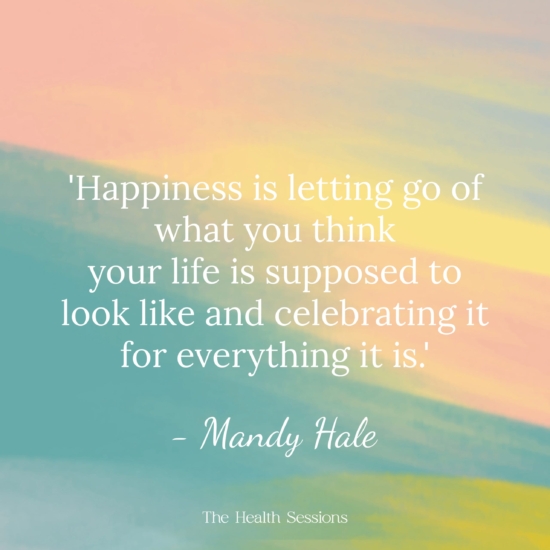
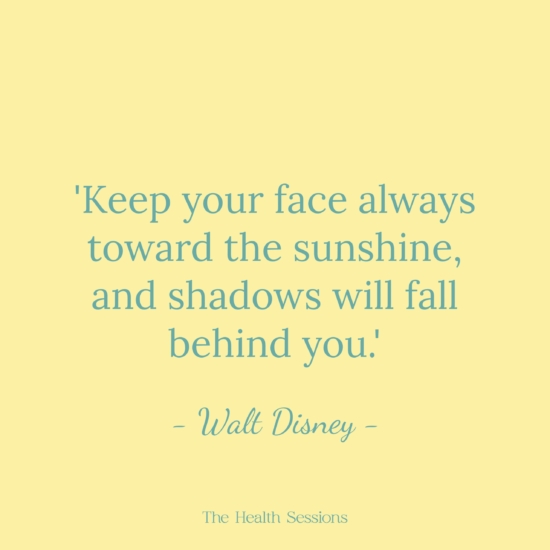
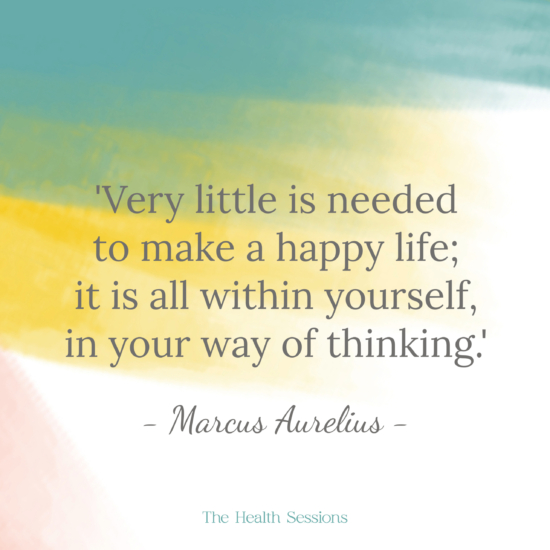
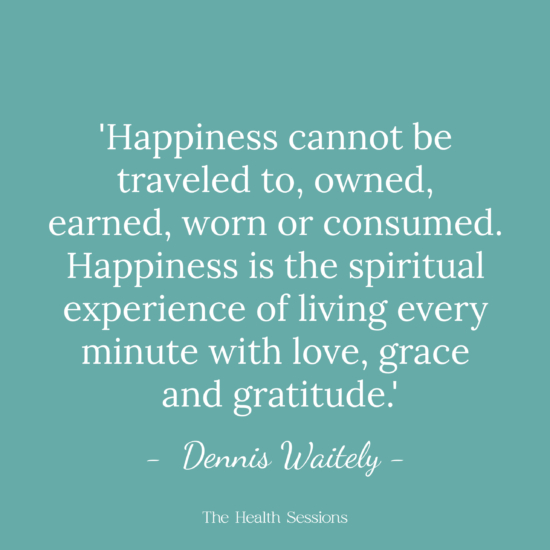
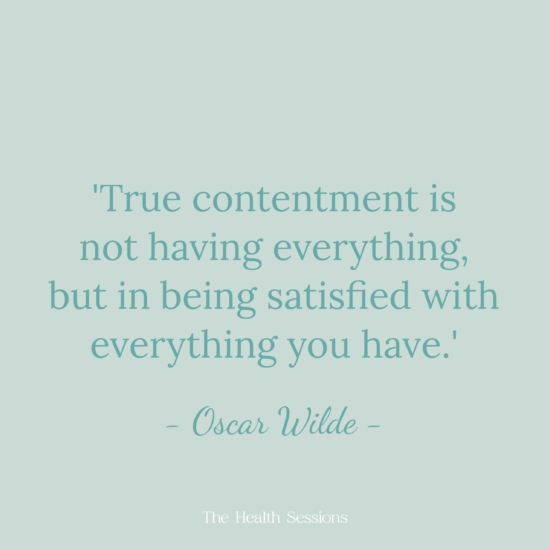
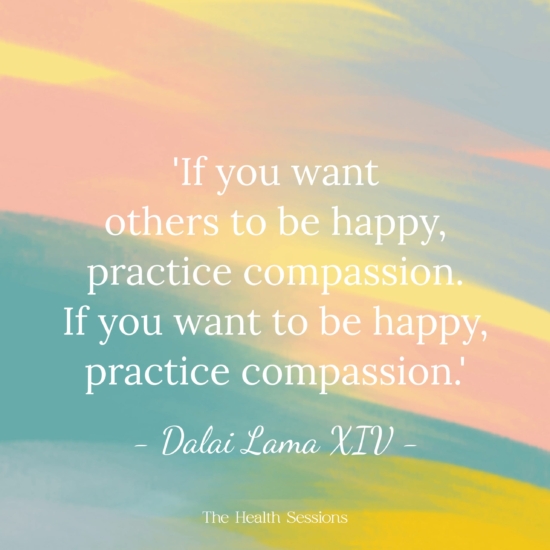
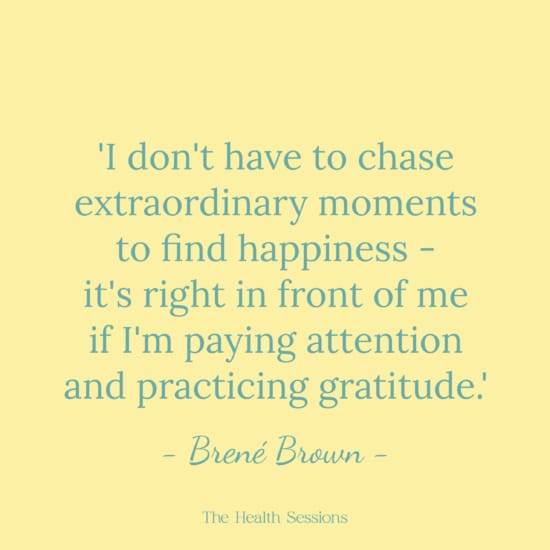
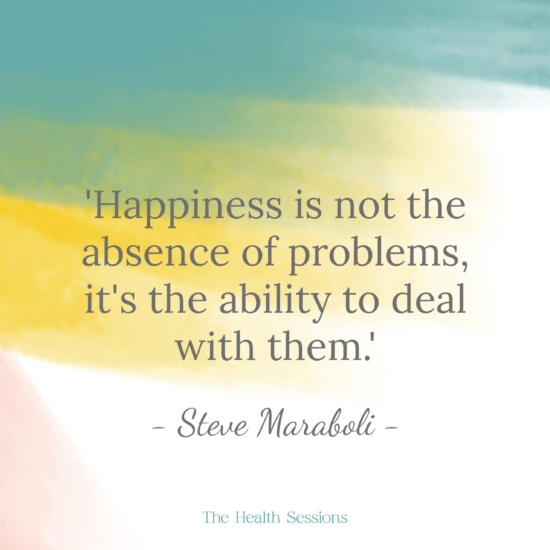
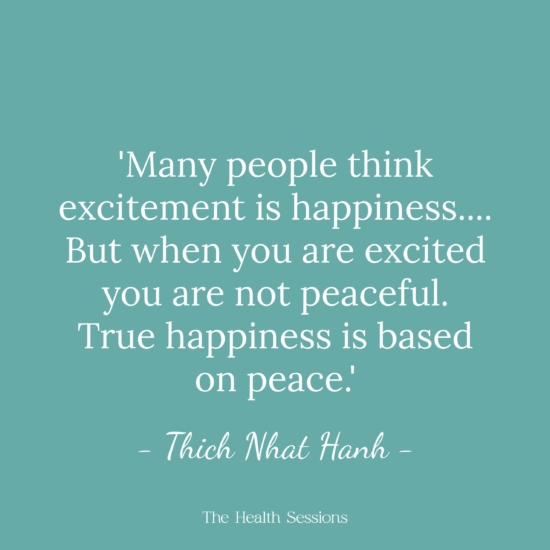
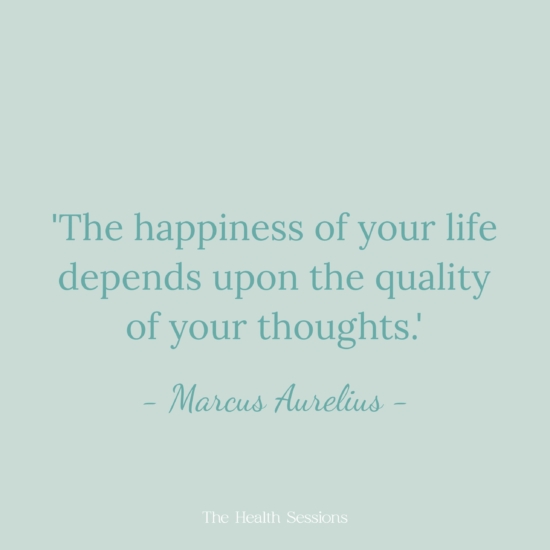
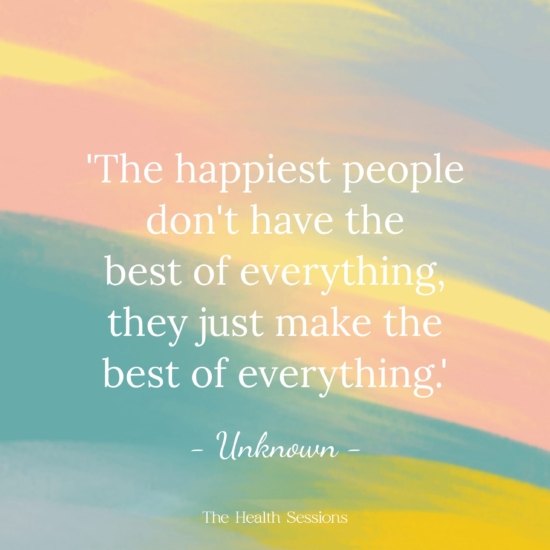
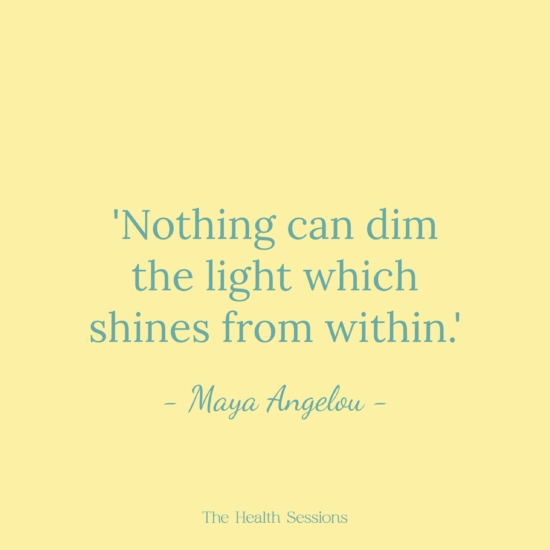
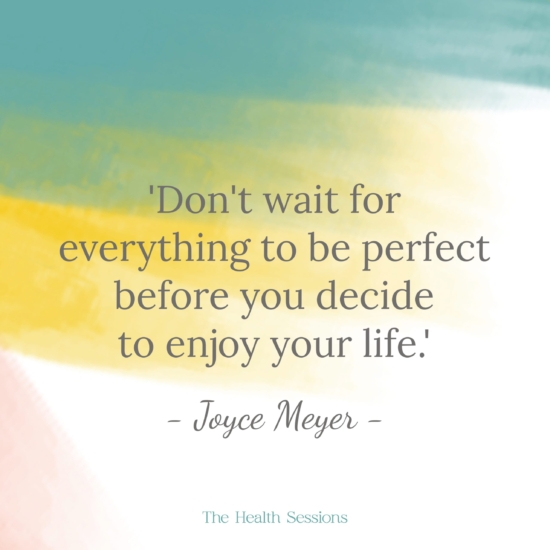
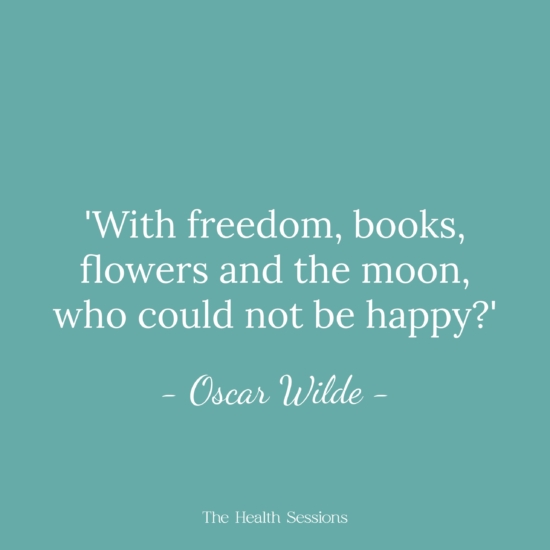
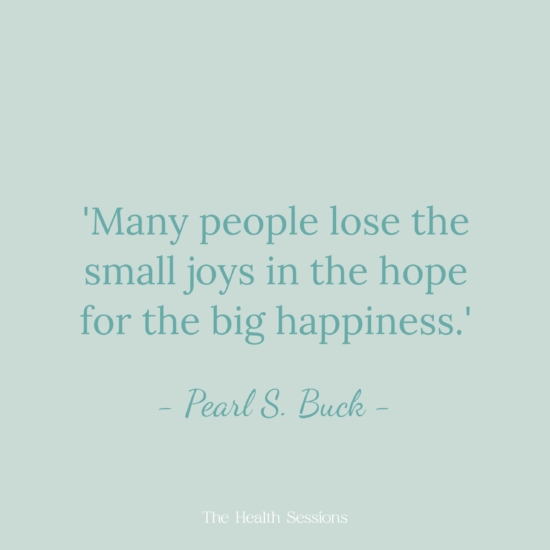
Take inspiration from these true happiness quotes to help you focus on contentment instead of (only) chasing the next dopamine rush. Even when life does not go as planned, you can still appreciate the good things happening to you, cultivate genuine joy and surround yourself with nice people to feel more satisfied with your life.
What does true happiness mean to you?
For more in-depth advice on living a good life with chronic illness, read How to Flourish in the Face of Adversity and Sad and Sick? Your Mental Toolkit for Chronic Illness. You may also like 34 Ideas to Cultivate Joy in Your Chronic Life.