28 Tips to Nourish Your Mind in a Healthy Way
This article contains some affiliate links to resources you may find useful, at no extra costs to you. All opinions are my own.
That feeling when you kick back, relax and contently take in everything that’s happening around you. When you relish the taste of a piece of good chocolate or bask in the beauty of nature.
If you’re living with chronic illness, these pleasant sensations can be rare or fleeting, especially on bad pain days. But that’s exactly why learning how you can spot and savor them can be so helpful.
Savoring is the art of consciously enjoying wonderful moments. It’s about noticing and appreciating the good things in life, by consciously paying attention to pleasurable experiences. When you become aware of what you feel, sense and see, you actively construct vivid memories and prolong positive experiences.
According to Fred Bryant and Joseph Veroff, authors of Savoring: A New Model of Positive Experience, savoring intensifies and lengthens positive emotions. Research suggests that the positive feelings elicited by savoring even protect you against the negative effects of poor health, by reducing stress and increasing optimism. For people with chronic conditions like fibromyalgia, ulcerative colitis or autoimmune disease, paying attention to these small enjoyable moments may also strengthen their emotional resilience.
What’s more, practicing savoring leads to more life satisfaction, stronger relationships and better performance.
And the good news is: you can easily enhance your wellbeing with savoring. No need to spend much time, money or energy, simply notice what’s already there.
Have a look at the 21 accessible ideas to make the most of everyday moments.

If you think about it, there are three ways to adopt savoring:
Thankfully, you can easily adopt these savoring strategies for chronic illness. Depending on your energy levels, you can try the ideas below from bed, at home or on the go.
1. Capture a typical day in pictures, to notice the beauty of everyday items and rituals. Even on bad pain days, taking one photo can help you find something positive.
2. Wear a new perfume (sample) or a different body lotion. Studies show that scent can be a surprisingly powerful way to shift your mood or anchor memories.
3. Really listen. To ‘silence’, the chirping birds or the rumble of city life. Pay close attention to what someone’s saying – out loud and reading between the lines.
4. Gently explore the sensations of different touch and pressure with self-massage. From simply rubbing your feet and circling your temples to using a self-massage tool with fragrant oil for a deeply relaxing experience, self-massage is a good way to get in touch with your body.
5. Prep your meal mindfully. Notice the aromas and textures of your ingredients, focus on the motions of chopping food and stirring in pots. If you’re too tired to cook, you can pay attention to the colors on your plate and the smells in the kitchen.
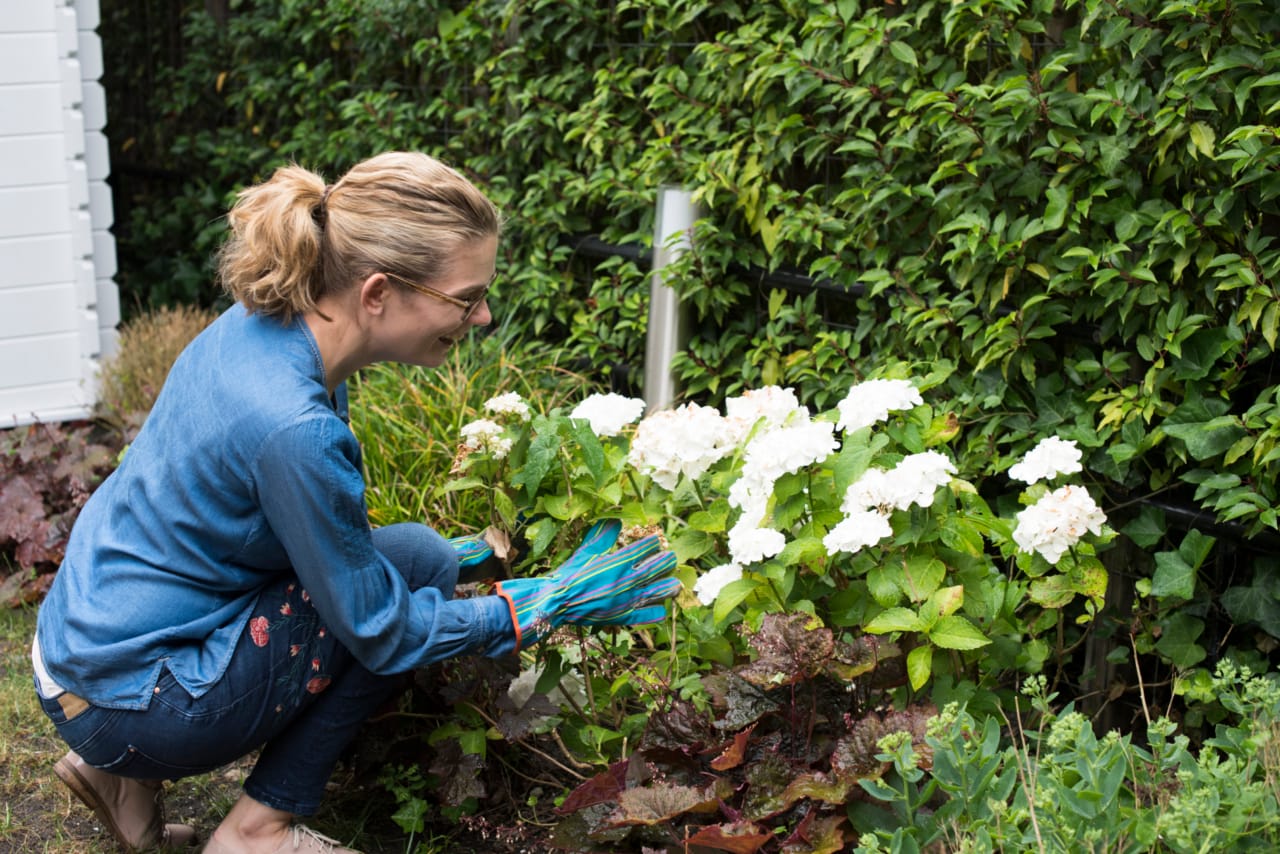
6. Literally stop and smell the roses. If you’re able to work in the garden, engage all your senses. Feel your hands in the soil, the sun on your skin, a breeze through your hair. Smell the fresh cut grass or the earthiness after the rain.
7. Head down memory lane to reminisce happy times. Browse through old photos, listen to the music you loved as a teen, make the cheap spaghetti you lived on as a student or recreate (an accessible version of) your first date with your partner.
8. Sing, dance and get lost in the moment. If your energy is low, you can still tap along to the music or feel the rhythm in your body.
9. Kiss with passion whenever you can.
10. Got to rest before fun events? Turn that mandatory quiet time into a happy anticipatory ritual. Maybe you can get cozy under your favorite blanket with an easy audiobook, or vividly visualize what you’ll soon will do?
11. Make a little ritual of drinking your cup of tea in the morning, like your own version of a Japanese tea ceremony.
12. Burn incense, a scented candle or diffuse essential oils. Take your time to create a calming atmosphere. That way, the simple act of lighting a candle, closing your eyes for a quick prayer or mantra and appreciate the warmth and smell becomes a meaningful practice.
13. Go forest bathing. The act of spending time in the woods using your five senses proves to be great for your physical, mental and emotional health. But this kind of savoring will also work on a bench in the park, or even sitting on your balcony. Just make sure you put your phone away.
14. Be fully present when you hug your child or stroke your pet.
15. Take a mental photograph of amazing experiences. Take in everything that’s happening around you, to make it a truly unforgettable moment.
16. Broaden your palate. Did you know there’s a fifth taste, called umami? It’s the savoury, meaty element in Parmesan cheese, miso and mushrooms. Eat your meals with attention to identify new, more complex flavors.
17. Get creative. Paint with your fingers, try knitting, build miniature houses or try low-energy crafts like doodling and stringing beads. Paying attention to these tactile experiences can ground you in the present moment.
18. Make a list of seasonal simple pleasures you could look forward to. Nothing complicated, but accessible to dos like sipping pumpkin spiced latte in the Fall, doing a new jigsaw puzzle on Christmas Eve or treating yourself to a beach read for Summer holidays provides joy without the exhaustion.
19. If you’re mobile enough, wonder around your city instead of purposely going from A to B. No using Google Maps!
20. Leave room for awe-evoking experiences. How can you not savor staring up at the night sky, watching world-famous concerts, admiring the greatest athletes or reading age-old spiritual texts?
21. Have screen-free Sundays or no-tech nights. When there are no constant distractions around, it’s much easier to pay attention to your surroundings and the sensations you’re experiencing. Even 10 minutes of intentional disconnection can make a difference for your mood and mental fatigue.

Even with limited energy and mobility, you can still notice and intentionally enjoy the good things in life. Savoring with chronic illness isn’t always easy, but it is still an accessible way to lower your stress levels and support your emotional health, and simply make daily life a tiny bit more special.
What’s your favourite way for savoring everyday moments?
You can find more accessible advice to feel happier despite chronic illness in The Happy List: 31 Ideas to Sprinkle Simple Pleasures Throughout Your Day and How to Flourish in the Face of Adversity. Also take inspiration from 19 cozy fall activities for chronic illness self-care for experiences you can savor.