How to Work on Your Recovery from Illness in Everyday Life


This article contains some affiliate links to resources you may find useful at no extra costs to you. All opinions are my own.
With Summer approaching, are you dreaming of a holiday getaway? Breaking out of your daily rut, relaxing and exploring new surroundings surely is fun, but traveling with chronic illness comes with challenges.
Have a look these world-class tips to make your journey and stay a little easier.
You don’t always have a choice in where you’re going (work trips for example) but if you’re researching your next holiday destination, here are a few things to keep in mind:
How many hours of traveling can you handle physically? That number should include energy-consuming things like checking in at the airport, delayed flights or getting stuck in traffic. Making this calculation gives you a ‘perimeter’ for destinations within your reach.
Which climates and temperatures best suit your health? Maybe you used to be a huge sun lover, spending your vacation relaxing on the beach, but now you’ve become sensitive to heat. Humidity, extreme cold or heat can exacerbate some medical conditions, like respiratory and cardiovascular diseases.
Which destinations are easily accessible? If you have mobility problems, climbing the hilly streets of Lisbon or hiking in Yosemite park may not be the best choices. And when you’re going on a city trip, it’s wise to check the public transport options available, especially around your hotel or apartment. Are they wheelchair accessible if needed? Are there other way to easily get around – rented car, taxi, bicycles?
How will you get to your destination? Every mode of transport has its own advantages and disadvantages.
Traveling by car gives you the most control over your route, where and when to stop for a break, how much luggage you can bring. But your travel range is limited, and sitting still in the same position for hours may be hurtful for your body. Of course hopping on a plane will take you further (and quicker) but getting to, around and from the airport can be exhausting. Not to mention factoring in the safety procedures and the hand luggage restrictions.
You could also consider alternative modes of transportation, like the (night) train, ferry boat or going on a cruise. Another important thing to consider: do you need assistance to get to the gate, board the plane or transfer to the hotel?
What’s the best accommodation for you? Besides budgetary reasons, what’s most convenient place for you to stay? Camping may be idyllic, but not a great choice if you have aching joints. Staying in a hotel provides you with all kinds of services, but renting an apartment gives you more freedom for making your own meals or spending your evenings resting.
An all-inclusive resort offers you sunbathing, restaurants and entertainment all in one place, while traveling by cruise ship, camper van or rail journeys show you the world from the comfort of your passenger seat. Look for the options that best suits the possibilities of you and your travel companions.
Also, make sure you check your insurances. Do you have a cancellation policy, and what does it say about getting ill before or during your holiday? Does your health insurance cover medical care abroad?

It’s every traveler’s dream: packing light but still bringing all your essentials. When you’re traveling with chronic illness, you can’t always improvise and buy products locally. So when packing your bags, pay special attention to:
Thanks to the Internet, you can do much of your holiday planning from the comfort of your own home. It’s a big help to arrange your transfer from the airport to your hotel, book tickets for museums and excursions beforehand and make a list of potential places to eat that suit your food preferences. Think about what you want to see and do at your destination and research how you can make that possible for you. These preparations aren’t meant to take the spontaneity out of your vacation, but to save much-needed energy to enjoy your holiday instead of waiting in line.
The days leading up to your holiday, try to schedule in some pre-emptive rest. If you’re like me, buying the essential travel items and packing your bags can already be pretty tiring, and you haven’t even left home yet. So take enough time to arrange everything and start your journey somewhat rested. Oh and don’t forget to rest up for the trip back home too!
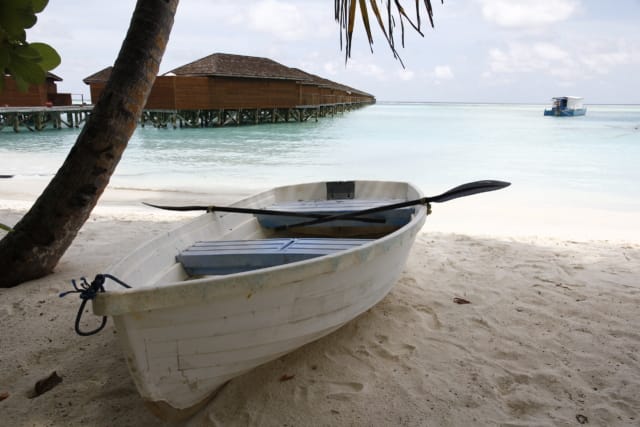
Sitting still for a few hours sounds relaxing, but can be tiring and painful for people with all kinds of illness. Luckily, there are a few things you can do to make the journey a little more comfortable.
Unfortunately, you can’t take a holiday from your body or your illness. Even on the other side of the world, you face the same problems like you do at home. Maybe even more so, because you’re in unfamiliar surroundings that haven’t been modified to your personal situation.
Also make sure your travel companions have a clear picture of what you can and cannot do. You could discuss beforehand how you will handle things like how much you can do in one day, when you need to rest or special dietary requirements to prevent disappointment and arguments.
There are lots of different ways you can set realistic expectations. What’s always worked well for me were plans like:
Of course you want to do more, but when that’s not possible, a mindset like this can help you better accept your limitations.
Within the spirit of realistic expectations, find ways to make whatever you’d love to do on holiday manageable for you. You may not be able to party all night long with friends, but perhaps you can go out for a drink early in the evening or listen to live music.
And if you can’t explore a new city on foot, then discover it from a different angle: from a highpoint, on a hop-on hop-off bus, with a canal ride, driving a ricksha. You get the idea: a little creativity gets you far (well, at least further!).
This may be the best advice my husband ever gave me: stop what you’re doing before you run out of energy. Sounds completely boring or impossible – those were my initial thoughts – and perhaps not how you enjoy your holiday. It’s not your typical go-with-the-flow, not-a-care-in-the-world kind of vacation attitude.
But being in new surroundings makes it harder to sense when you’re pushing yourself to far and overstep your boundaries. Plus, you have lots of unknown factors to work with, like what’s the fastest way to get back to the hotel or apartment and how long does that take? So alternate activities with rest, keep an eye out for the warning signs of exertion and pace yourself.
Remind yourself that things won’t be the same as home – that’s the whole point of going away. But change and not knowing what to expect can be difficult when you’re chronically ill, because not knowing what to expect makes it s much harder to anticipate, plan accordingly and manage your energy and symptoms.
Relaxing isn’t just a physical reaction, it’s a state of mind too. Be confident that you will find a way to manage new situations. And remember that the world is full of helpful people if you need a hand.
What’s your best tip or trick for traveling with chronic illness? What’s the most challenging aspect of being on vacation for you?
Happy and healthy holidays!
If you enjoyed reading this article, you might also like How to Overcome Summertime Loneliness and 38 Staycation Ideas for a Happy Holiday at Home.