In Sickness and In Health: How to Keep Love Alive When You’re Chronically Ill

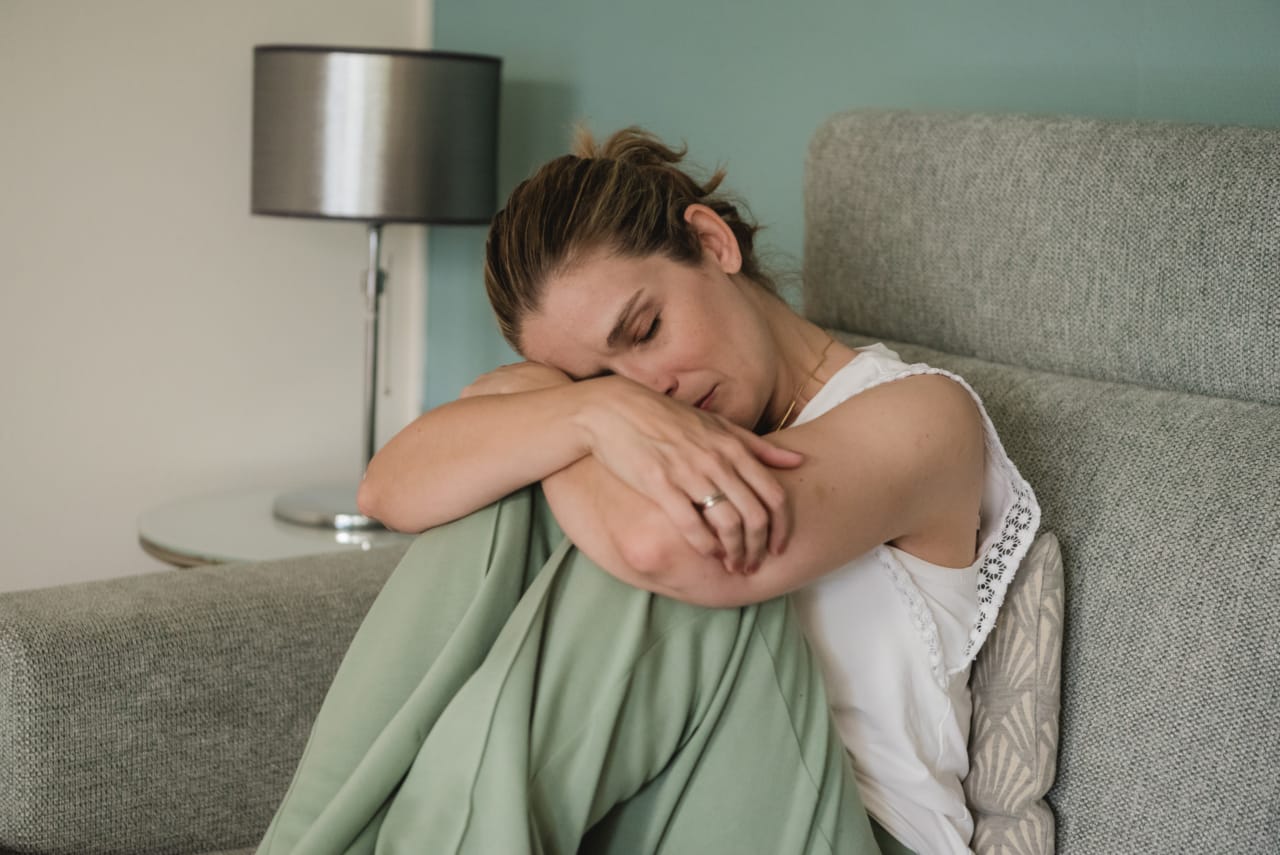
Living with fibromyalgia, irritable bowel disease or long COVID can often be unpredictable. One day, you may be feeling reasonably well, but then the next day, a flare-up arrives like a storm you didn’t see coming.
A flare-up is a sudden increase of your symptoms, in intensity or numbers. You struggle with more pain, muscle weakness, nausea or bladder problems than usual, or you experience new health problems out of the blue. Often, a flare-up is a normal part of chronic illness, not necessarily a sign that your disease is getting worse, although it’s always wise to check with your doctor to make sure. Flare-ups can have clear causes (following a virus or stress, for example) but also pop up unexpectedly. They last anywhere from a few days to weeks or even months.
It’s that unpredictability that makes flare-ups hard to cope with. You’re used to getting through the day with your ‘normal’ symptoms, but when they suddenly become even more intense, it gets even harder to manage your pain, pace your limited energy and do the simplest things.
Most of us living with chronic illness have been there: you’d planned a simple outing with friends—nothing extravagant, just catching up over coffee. You’d been doing pretty ok that week, but that particular morning, you wake up feeling like a truck has run over you: completely exhausted, with a throbbing headache and pain radiating through your body. So you’re faced with that all-too-common dilemma: Should I try to push through the pain and fatigue to meet up with my friends or do I stay home to rest?
The disappointment of canceling plans (again), the guilt of feeling unreliable and the frustration of knowing you have no control over your own body can weigh heavily on you.
Despite your best efforts to stick to healthy routines, track triggers and care for your body, flare-ups still happen. When they do, how can you manage flare-ups with compassion, resilience, physical self-care and practical strategies that make the experience a little more manageable?
Let’s take a look at this step-by-step flare-up survival guide for when your symptoms are getting worse.
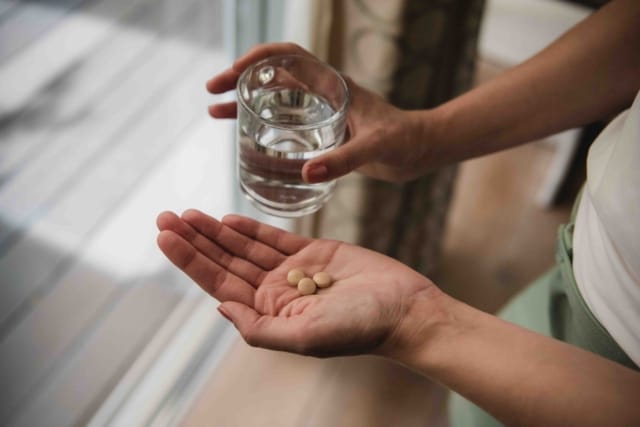
The first and often hardest step in dealing with a flare-up is accepting that it’s happening. It’s perfectly normal to feel frustrated, discouraged or even betrayed by your own body. But fighting against reality will only add emotional suffering to your physical pain.
So instead of resisting your painful reality, try to accept that flare-ups often are a recurring part of chronic illness. That’s easier said than done, I know, but there are some ways you could come to terms with it over time.
Take a moment to feel your feelings. Of course you’re sad and disappointed that you can’t go to that concert you’d been looking forward to for so long. Cry, listen to sad songs, call your mom to vent or write down your thoughts in a journal. Expressing your emotions in a healthy way helps you to relieve stress, so you can then get into a more constructive state of mind.
Because even though having a flare-up (or being sick in the first place) feels totally unfair, you don’t want to get stuck wondering why this is happening to you. As much as we wish it were different, bad things happen to good people every day, and that’s nobody’s fault.
What’s more, we don’t always get to control how things turn out, but that doesn’t make you completely helpless. Focus on the things that are within your power, like making time for real rest, nourishing yourself with good food and talking kindly to yourself, even in your mind. Instead of thinking “I shouldn’t be feeling this way”, acknowledge that a flare-up is tough, but you will get through it somehow.
“To surrender is to let go of resistance to the circumstances we can’t and shouldn’t change, and instead focus our attention and energy towards that which flows more easily and naturally.” – dr. Friedemann Schaub
When your symptoms get worse, your body could use some extra support. So what can you do to level up your physical self-care during a flare-up?
I know it’s mind-numbingly boring to lie in bed all day when you just want to lead a normal life. You might even feel guilty for not dong anything productive – yet again. But in order to heal, your body needs to be in a state of rest.
So create a comfortable space with soft blankets, dim lighting and warm drinks to signal to your nervous system that it’s safe to relax. See if you can squeeze in gentle practices that activate your body’s natural relaxation response, like breath work, mindfulness exercises or visualizations. For much more helpful tips, check out these 47 ways to make the most of rest days.
“Sometimes the most important thing in a whole day is the rest we take between two deep breaths.” — Etty Hillesum
The last thing you probably feel like in the midst of a flare-up is moving your body. But depending on your symptoms, stretching in bed and restorative yoga could even help you release some tension from your body.
What’s more, gentle movement prevents further worsening of your symptoms, by maintain a healthy blood circulation and preventing stiffness in your muscles and joints. So even when you’re resting, shifting positions regularly. If you’re well enough, you could look into bed yoga, floor exercises, chair workouts or resistance band moves you could do lying down.
Your body needs plenty of water, vitamins, minerals, fibers and antioxidants to function, so it’s important to drink and eat well. But with low energy, you don’t wan to spend hours cooking in the kitchen. So opt for nutrient-rich meals that are easy to digest, like yogurt with fruit and nuts, avocado toast, good-quality soups and baked potatoes.
When resting in bed, it’s also helpful to keep a water bottle and thermos on your bedside table to stay hydrated, plus some simple snacks for nourishment.
Of course, there is no magic cure for your symptoms – you wouldn’t be having a flare-up if there was! But there are some things you can do to soothe your pain, ease your fatigue and reduce your brain fog, even if it doesn’t go away completely.
For example, heat pads, cold compresses and self-massage tools can offer some pain relief, whereas ginger tea and peppermint could help with nausea. You could explore (safe!) home remedies too, from steam inhalations for congestion to Epsom salt baths to ease aching muscles. What’s more, mental techniques like guided meditation or progressive muscle relaxation techniques can be useful to cope better and ease some discomfort.

It can be so frustrating and disheartening to haven or intense symptoms play up when you had much nicer plans for your day. Being sick in bed can also feel lonely, not just because you’re at home by yourself, but also because it’s hard for other people to really understand what you’re going through.
How do you deal with these difficult emotions? There is no easy answer, nor a solution that works for everyone, but these things might help you:
Flare-ups tend to press the pause button on your normal life, disrupting your daily routines. You may feel too sick to go to work, bring the kids to school or cook dinner for yourself. Which practical adjustments can you make to handle the challenges that a flare-up brings?
And finally, if there was a clear trigger for your flare-up, like overdoing this or poor sleep, also consider if there are any changes you could make to prevent this from happening in the future.
When you’re in the midst of a flare-up, it can feel like it will never end. But healing isn’t linear. So remind yourself that it is temporary, and that there will be better moments ahead. You have survived this before and you will again.
Hold onto hope in small ways, whether it’s a soothing prayer or mediation, reading hopeful stories or finding comfort in simple pleasures like cuddling with your pet or watching the sun set.
Also remember that you are not alone. Chronic illness communities like The Mighty offer spaces to connect with others who truly understand what you’re going through.

Managing flare-ups isn’t easy. It hurts; not just physically, but also the disappointment of cancelling plans, the guilt for lying in bed when there’s so much to do, the loss of trust in your own body and the unpredictability of when you’ll feel better again.
But sadly, resisting against having to rest will only make things worse. Instead, try to adapt to your current reality as well as you can, listen to what your body needs, tend to your emotional help and find ways to hold onto hope on tough days. And most of all, be gentle with yourself.
You can read more helpful tips in ’47 Ways to Make the Most of Rest Days’ and ‘Why Pacing Beats Push-and-Crash Cycles (And How to Best Manage Your Energy’. And if being stuck in bed leaves you completely bored, check out The Bored and Sick Guide with 130 low-energy activities you can do at home alone.

