How to Work on Your Recovery from Illness in Everyday Life


This article is part of a short healthspan series. Click the link for more detailed advice on how to improve or maintain quality of life as you age, even when you’re chronically ill right now.
It’s one of the first things every doctor seems to check, no matter what your symptoms are: your blood pressure. That’s because a healthy blood pressure is not just about avoiding heart disease or a stroke, it’s about protecting your long-term health span, including the quality of your life as you age.
When your blood pressure creeps too high (above 130/80mm HG), it strains your heart, arteries, kidneys and even your brain. Although you might experience some headaches, nausea or nose bleeds, most people with hypertension don’t notice any symptoms. And yet, high blood pressure could lead to serious damage in the long run, like increased risk of heart attacks, aneurysm, eye problems, stroke and dementia.
It’s no wonder hypertension is also called “the silent killer” and number one risk factor for premature death.
At the same time, if your blood pressure drops too low (below 90/60 mm Hg) can make you feel lightheaded and weak, with blurry vision. Worse, if you end up fainting, you might be dealing with fall-related injuries. Although low blood pressure is also a distressing condition – as anyone with POTS, arrhythmia or neurological disorders can tell you – this article will mostly focus on reducing high blood pressure, seeing that over 1 billion people around the world struggle with this problem.
Sadly, keeping your blood pressure in check can be more challenging when you’re living with chronic illness. Let’s take a look at some of the obstacles you might be facing, before diving deeper into some general healthy blood pressure tips and how you can put them into practice when you’re exhausted, in pain and feeling sick.
From heart disease to autoimmune conditions, chronic illnesses often come with unique obstacles for keeping blood pressure in check.
You might have to take medications that can impact your blood pressure, either raising it or lowering it. For example, steroids (commonly used in inflammatory diseases like arthritis, asthma and eczema) can raise your blood pressure, while diuretics (prescribed for conditions like heart failure) can sometimes lower it too much, leading to dizziness or fainting.
What’s more, being chronically ill can reduce your mobility and energy levels, while physical activity is one of the most effective ways to maintain a healthy blood pressure and a healthy weight.
Not to mention the stress you’re faced with when your body no longer functions the way it used to and when you can’t work anymore but have a pile of medical bills to pay – and there are no immediate solutions to your problems.
But even with these challenges, there are still small steps you can take to get or maintain a healthy blood pressure.
Always start with consulting your doctor or other medical professional to get a clear picture on what’s causing your hypertension or hypotension. There may be underlying conditions like heart problems, sleep apnea, pregnancy or drug use (prescribed or illegal) that needs to be addressed.
Genetics and age also play a role, which may require you to take prescribed medication to manage your blood pressure.
If your physician believes lifestyle changes could be helpful in your specific case, then let’s explore how you can start putting the research-backed healthy blood pressure tips into practice despite your limitations.
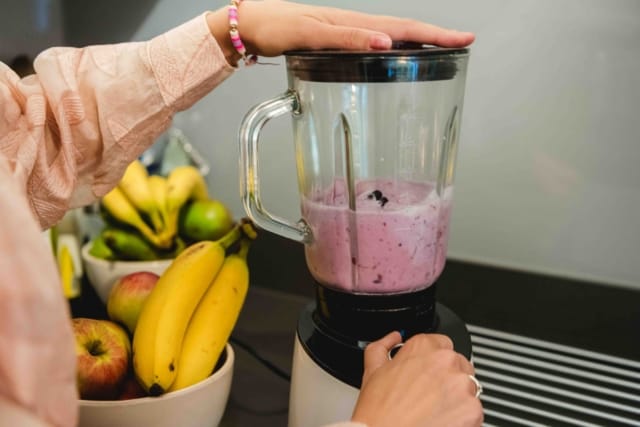
The science behind maintaining a healthy blood pressure is clear: a combination of diet, physical activity, stress management, sleep and breaking bad habits plays a key role in managing it.
You probably know that consuming too much salt elevates your blood pressure. But to reduce your sodium intake, you need to do more than ditch the salt shaker, because processed foods like burritos, pizza and canned soup are the biggest contributor to the salt in your diet.
Thankfully, a diet rich in potassium and magnesium will also help you balance your blood pressure by reducing the negative effects of sodium. Bananas, leafy greens, legumes, nuts and seeds are great sources of these minerals. Additionally, increasing dietary fiber has been shown to support cardiovascular health by improving cholesterol levels and stabilizing blood sugar. Especially regularly eating beans seems to lower your blood pressure.
The Dietary Approaches to Stop Hypertension (DASH) diet, that focuses on consuming fruit, vegetables and wholegrain, while limiting sodium, saturated fat and sugar, has been proven to significantly lower blood pressure and reduce your risk of heart disease.
Aside from the health-boosting nutrients, adopting a heart-healthy diet will make it easier to keep a healthy weight. Unfortunately, being overweight puts extra strain on your heart and can contribute to high blood pressure. At the same time, even a 5 to 10% weight loss will improve your systolic and diastolic blood pressure, as well as your cholesterol levels.
1. Center your meals around whole food ingredients. That means you focus on lean proteins, plenty of fruit and vegetables, whole grains and healthy fats. Eating doesn’t have to get complicated – like Michael Pollan says, if it has no unpronounceable ingredients and your (great) grand mother would recognize it as food, you’re probably good to go.
By reducing the amount of ultra processed foods you eat, you automatically consume less salt as well as unhealthy fats, which in turn lowers your chances of gaining weight. So master a few simple recipes and effortless cooking tricks (like slow cook meals or sheet pan dinners), and see if you can make extra batches of soup, curry or overnight oats for days when you’re not feeling well enough to cook.
2. Flavor your food with fresh herbs and spices instead of salt. Not only do fresh parsley, basil and cilantro add a touch of color to your pasta or rice dish, garlic, ginger and cinnamon all pack a punch in the flavor department. You can take inspiration from these low-salt recipes to get you started.
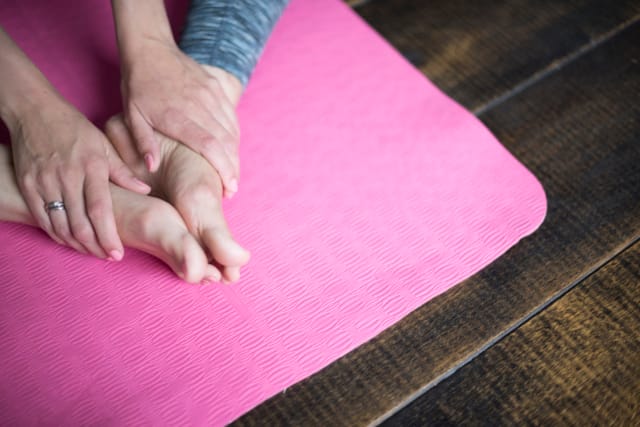
Physical activity lowers your blood pressure by strengthening your heart and improving your blood circulation. Exercising is great for your overall heart health, but even small, consistent movement helps.
Research has found that short bursts of intense activity can also be effective in managing blood pressure, just like low-impact movements such as regular walks on 3 to 5 days a week for 20 to 40 minutes. Even simple reducing the amount of time you’re sitting down each day helps too.
More so, mind-body practices like yoga and tai chi are surprisingly successful in reducing high blood pressure, partly because these forms of slow movement also lower your stress levels.
Thankfully, moving your body doesn’t have to mean traditional, intense exercise. For people with chronic illness, even small amounts of gentle activity can make a difference. You only get the heart-healthy benefits of movement if you manage to keep doing it on a regular basis, so building a short, low-key exercise routine that’s doable for you matters more in the long run than pushing yourself too hard and having to quit.
Let’s take a look at some illness-proof ways to move your body:
3. Add ‘exercise snacks’ to your day. It might be less taxing on your muscles and energy levels to incorporate short bursts of activity into your schedule than doing a full workout. So do some morning stretches before getting out of bed, perform 5 lunges while you’re vacuuming or have a 3-minute living room dance party. You can find more doable ideas in ‘Exercise Snacks: 24 Ways to Fit in Tiny Bursts of Activity Throughout the Day’.
4. Try low-impact movement to support your heart health. Swimming is easy on your joints, yet lowers your blood pressure and improves vascular function. Walking is another accessible activity that reduces mild hypertension and can easily be combined with running errands. But you could also use resistance bands to build muscle strength, which seems to help protect against high blood pressure and other heart problems.
5. Practice mind-body exercises for healthy blood pressure. Aside from the slow movement, the meditative flow and breathing techniques used will relax your body and mind. Especially 15 minutes of yoga a day improves your blood pressure and heart rate, so look into illness-friendly online exercises classes to build your own doable routine.

When you’re under pressure or feel threatened, your body releases stress hormones into your bloodstream to be able to act fast. Your heartbeat speeds up, you breathe more rapidly and your muscles tense up, preparing you to fight or flight. By constricting your vessels to get more blood to your muscles quickly, acute stress causes spikes in your blood pressure levels. And that’s perfectly normal – even life-saving – but this physiological mechanism becomes a problem when you’re experiencing chronic stress, leading to hypertension.
Thankfully, managing your stress well will help you regulate your blood pressure. Relaxation techniques like deep breathing, meditation and mindfulness all calm your nervous system ( including your heart rate), but simply listening to soothing music or being in nature can also lower significantly lower your systolic and diastolic blood pressure. What’s more, having a resilient and optimistic mindset will help you deal better with stress and thus support better heart health, while ruminating and chronic worrying can worsen your wellbeing.
That all sounds great, but you’re probably all too aware that chronic illness comes with its own share of physical and emotional stress. Over time, you’ll have to build some long-term coping strategies to best deal with this uncontrollable stress, but here are some things you can do right now:
6. Use relaxation techniques. Get out of fight-and-flight mode and into a calming state of rest-and-digest by activating your body’s natural relaxation response. Any activity that releases tension from your muscles, lowers your heart rate and breathing, and quiets your busy mind will work, but these practices are especially helpful in lowering your stress levels and your blood pressure:
7. Spend time in nature. Being in green spaces has a surprisingly positive effect on your stress levels and overall health. You don’t have to be active to get nature’s heart-healthy benefits: simply sitting in a park, going for a stroll or spending time in your garden can help lower blood pressure by promoting relaxation. Take a look at how you could boost your health with two hours of nature time a week despite the limitations of chronic illness, as well as how forest bathing can support your overall wellbeing.
8. Cultivate resilience and optimism to combat (the negative effects of) stress. Ideally, you want to avoid taking on more than you can handle, but that’s not the way life always goes. So if you’re going through a stressful period, work hard to reduce the negative impact stress has on your health and happiness. It’s definitely not easy, but try to stop overthinking, stay optimistic despite the challenges you’re facing and build your resilience to deal with adversity.

Your blood pressure levels follow a natural circadian rhythm, typically dropping at night to allow your body to recover. Poor sleep disrupts this cycle, leading to high blood pressure. That’s why getting less than 6 hours of sleep per night is linked to an increased risk of hypertension.
Sadly, you may not be getting the quality of sleep you need if your chronic illness causes discomfort at night or your medications have insomnia as an unintended side-effect. Here are some strategies you could try to improve your sleep – and your blood pressure:
9. Cover your bedtime basics, like sticking to a consistent sleep schedule (waking up and going to bed at roughly the same times every day) and making sure your bedroom is quiet, dark and at the right temperature for you. Also avoid stimulants like coffee after 3pm as well as screen time one hour before bed.
10. Build a relaxing evening routine to wind down. Having a calming ritual that you perform each night, like taking a warm bath, drinking chamomile tea or journaling, will act as a cue for your brain that its time to start winding down before bedtime. Simply turning the lights down low in the evening will also help to you sleep better.
11. Explore what helps you to deal better with ‘painsomnia’. You’re probably all too familiar with pain and discomfort keeping you up all night. You could try to reduce your aching by fine-tuning your medications with help from your pharmacist and exploring heat therapy, different sleeping positions and psychological techniques to cope with pain. It also helps to have a plan for what to do if pain stops you from sleeping, so you don’t start ruminating or feeling hopeless. Check out these painsomnia tips for more in-depth advice.
Unfortunately, both smoking and an excessive alcohol intake are linked to higher blood pressure. Nicotine in cigarettes causes your blood vessels to constrict, leading to narrower arteries and thus a higher blood pressure. Drinking too much alcohol – more than 1 drink a day for women and more than 2 drinks a day for men – raises the pressure in your blood vessels to unhealthy levels, while also contributing to weight gain.
So reducing or eliminating these bad habits can help you get a healthy blood pressure.
12. Replace your bad habit with healthier alternatives. Look into your underlying needs: which thoughts or feelings are triggering you to light that cigarette or poor another glass of wine? Are you bored, do you feel restless or are you unconsciously trying to drown your sorrows? Once you’ve identified those emotional needs, triggers and automatic response, see if you can find more constructive ways to cope with your feelings.
For example, if stress makes you want to smoke, come up with realistic alternatives you could do after a trying day, like calling a friend, going for a short walk to clear your head or do something else with your hands – fidgeting, doodling, doing dishes.
13. Start small. Although some people do manage to go cold turkey, many others will slip up as they’re trying to break bad habits, especially in the early days of changing your behavior when your new habits haven’t become an automatism yet. If that’s you, don’t get stuck into an ‘all or nothing’ mindset, making you feel like a failure when you do mindlessly grab a beer out of the fridge. Don’t get discouraged, that’s part of the process. And don’t wait until the next morning or Monday to try again – every moment is a chance to start fresh.
14. Seek support. Breaking addictive habits is hard, physically and emotionally, and you don’t have to do it alone. Reach out to family and friends, go to a local support group or contact professional help if needed. It also helps to create a supportive physical environment, by removing alcohol and nicotine from your home, as well as staying away from situations that trigger your bad habits.
Managing your blood pressure while living with a chronic illness may require extra planning, but it can be done. By focusing on what you can control, whether it’s adjusting your diet, finding movement that works for you or practicing stress management, you can make slow but significant progress. The key is consistency and patience. Keep in mind that it’s not about being perfect; it’s about taking small steps that lead to big improvements over time.
In the mean time, always work closely with your healthcare team to monitor your blood pressure and discuss any new strategies. They can help adjust medications if needed and offer support tailored to your unique needs.
Remember, you’re not alone in this journey, and there are plenty of resources available to support you in your pursuit of better health.
You can find more in-depth advice on how to support your health throughout the years, even if you’re chronically ill now, in our healthspan series.
Learn why it matters plus 8 realistic practices you could do to boost your health span, despite your health problems. That includes advice on how to balance your blood sugar levels with sweet temptations all around you, as well as how to prevent muscle mass when you’re housebound.