Buffer Time: The Missing Ingredient of Pacing with Chronic Illness

Most meal planning assumes you have a pretty stable life. On the weekend, you pick some tasty recipes, do your grocery shopping and maybe prep some dishes, so you can enjoy an organized week of homemade meals. But when you’re chronically ill, that beautiful vision usually falls apart by Tuesday afternoon, when your symptoms flare up and the elaborate dinner you had planned gets replaced by instant noodles.
It’s not that meal planning with chronic illness is a bad idea. On the contrary, it can be a great strategy to save energy, reduce your mental load and make healthy eating easier, especially if you have food allergies or a medical diet to consider. It’s just that the rigid version of assigning specific meals to specific days does not always work well for unpredictable bodies.
What would help is building a flexible weekly menu that you can adapt to your changing needs. Because even on bad pain days, you still need to eat, probably at least 3 times a day.
That’s why we’ll look into different strategies to design a food system that’ll keep you nourished all week, no matter how well or poorly you feel. To do so, let’s first zoom in on the obstacles that might be getting in your way when meal planning with chronic illness.
What makes it hard to plan a weekly menu and prep meals for the week ahead differs from person to person, and even from day to day. But most of us face at least one of these obstacles:
Understanding which obstacles you’re facing this week, whether that’s racing to get to your kid’s soccer practice in time or anticipating feeling exhausted after hospital appointments, will help you to choose the right strategies for your weekly menu and agenda.
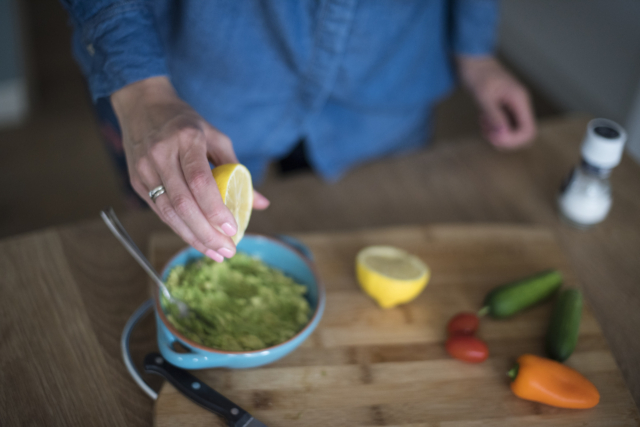
Buying and prepping food usually costs the most energy, while making two portions barely takes more effort than cooking one meal. So when you’re in the kitchen anyway, you might as well make a double batch of chili or beef stew. The second batch will go in the fridge or freezer for tiring weeks.
Foods that double well include freezer-friendly curries, slow cooker stews, soups, lasagna and pasta bakes. You can also make egg frittata cups or healthy pumpkin muffins for bite-sized snacks that store well.
Another way to cook once but eat twice is to plan to eat the extra portions later that week to save yourself time and energy. If the exact same meal feels too repetitive for your taste, you can easily add a twist by using different spices, toppings and/or ‘wrappings’.
For example, a plain tomato sauce with ground beef and peppers can be served with spaghetti one night, in a spicy burrito with sour cream and avocado the next, and as a stuffed zucchini boat on day three. And an Asian-style, soy-ginger shredded chicken would work really well in a quick stirfry, cozy noodle soup and a crispy lettuce wrap.
Rather than cooking a specific meal on a specific day, this approach involves preparing ‘building blocks’ for your lunches and dinners on relatively good days, but leaving the actual meal assembly open for how you’ll feel on the day itself.
This could give you the flexibility you need. The same roasted chicken can become a totally different meal depending on your energy level, appetite, available time and what else is in the fridge: a full Sunday roast when you’re up for it, a tandoori chicken with pita breads for hands-off cooking days, or a quick shredded chicken sandwich when you’re in too much pain to cook.
That way, you’re not wasting time planning a dinner you may never get to eat because your symptoms flared up unexpectedly.
Here are some healthy meal components you could buy or prep on the weekend for a flexible weekly menu:
Assembling a ‘components’ lunch or dinner can look like scooping some grains or potatoes into a bowl, adding protein and prepped vegetables, reheating it in the microwave if needed, before adding some olive oil, dressing or crunchy toppings. A little planning and prepping ahead of time provides you with a complete and balanced meal on evenings when you’re struggling to put food on the table.
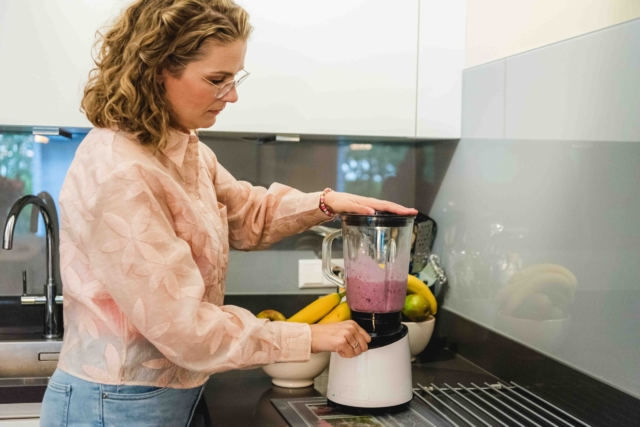
If standing behind the stove, paying attention to multiple pans and draining heavy pots are too taxing for your brain and body, hands-off cooking techniques can help you still put a healthy dinner on the table. After 10 to 15 minutes of preparation, which can often be done sitting down, you can just relax and let the oven, slow cooker or air fryer do the work for you.
Slow cookers can be set in the morning and cook unattended for hours. No stirring, no long standing, perfect for limited energy and mobility. And because slow cooking can turn inexpensive cuts of meat, dried beans and root vegetables into tender meals packed with flavor, investing in a Crock-Pot or Instant Pot can also save you money over time.
What’s more, using a slow cooker can help you prep for the inevitable bad days, by making freezer packs with chopped veggies and (marinated) meat cuts on relatively good days that you can keep in your fridge or freezer.
Aside from the classic chili and beef stews, you can make taco lentil soup, chicken tikka masala, pulled pork, ramen noodles and even sweet dishes like cinnamon apple quinoa.
Preparing a full meal on one oven tray saves you washing up and mental energy. This hands-off cooking technique also works well with the component prep we’ve discussed above. And because you can keep all the food elements separated on the tray, sheet pan meals make a great dinner strategy for picky eaters or a household with different dietary needs.
Plus, you don’t need expensive ingredients for a tasty one-tray meal; roasting brings out the flavor in seasonal vegetables, (sweet) potatoes and budget-friendly proteins like chicken thighs, eggs and sausages. Think chicken pitas with tzatziki, sheet pan fried rice with eggs, autumn veggies with apple and sausage, or crispy gnocchi with roasted tomatoes.
The hot air circulation of an air fryer cooks your food in no time, and gives you that crispiness without using as much as oil as deep frying. It’s also easy to use (great for brain fog days) and requires minimal clean-up. An air fryer can also be a handy tool for cooking for one without too much effort.
Whether you’re in the mood for ‘ridiculously good’ air fried salmon with crispy sweet potatoes or lemon shrimp with broccoli, this versatile kitchen appliance can cook your favorite comfort foods.
If you’d like to keep your weekly menu flexible, it helps to stock your pantry with versatile staples packed with nutrients.
Grocery delivery or click-and-collect costs money, but it can save you the energy of going to the shop, walking around and lifting heavy bags. A standard recurring online order for your staple ingredients also reduces your mental load every week. But only you can decide if the trade-off is right for your situation.
This is the safety net beneath all other strategies, for those high symptom days when cooking is not an option. Dedicate a specific section of your fridge, freezer and pantry to your emergency shelf, so you can choose from it without guilt or decision-making.
Here are some suggestions for your emergency shelf:
Of course, you can also use leftover components from your prep session (see #2) or use up frozen portions from previous batch-cooking (see #1).
Now let’s bring all these strategies for meal planning with chronic illness together in a flexible weekly menu.
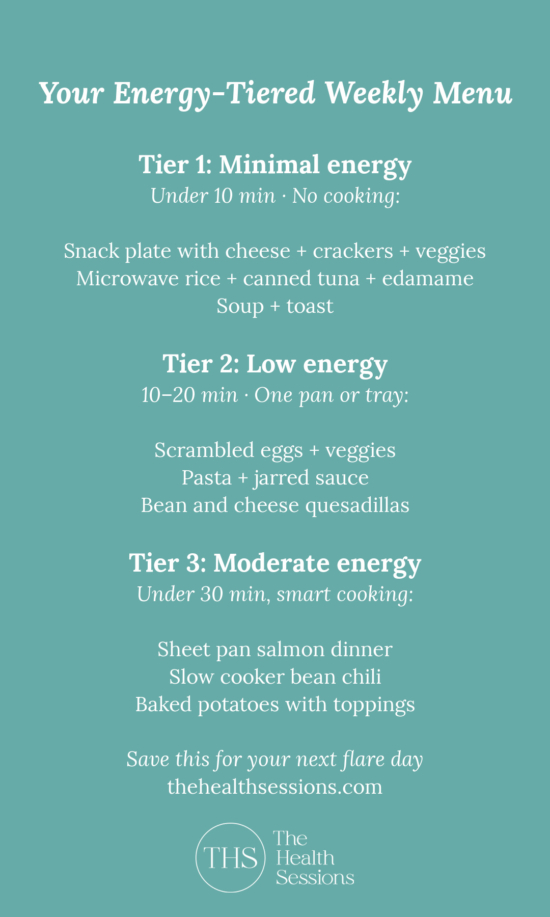
Make a list with meals organized by how much energy and effort it takes to prep these dishes, from minimal (tier 1) to moderate (tier 3). This obviously depends on your health condition, living situation and food preferences. For any given day, you can now check your plans and energy levels and choose meal options from the most fitting tier, instead of starting from scratch with ‘what’s for dinner’ when you’re already exhausted.
Everyone’s energy-tiered system looks different (your tier 3 may be someone else’s tier 1, and that’s fine), but here are some ideas to get you started:
Foods from your emergency shelf, using the microwave or kettle only, under 10 minutes:
Little prep, one pot or tray for minimal clean-up, 10 to 20 minutes:
Actual cooking with energy-saving strategies, prep under 30 minutes (cooking time may be longer):
This is also the tier for making double batches or prep components for your flexible weekly menu.
You could even add a ‘tier 4’ for good days when you are able to cook dinners that require more time, effort or mobility, like meat balls, lasagna or mashed potatoes.
This energy-tiered system won’t work perfectly every week; nothing does with chronic illness. But building a flexible menu that can be adapted to your changing needs is more sustainable than a rigid meal plan that assumes a predictability that your body doesn’t offer.
For more advice regarding meal planning with chronic illness, check out ‘How to Start Any Kind of Medical Diet’ and ‘How to Effortlessly Eat a Balanced Diet’.

