The Digital Diet: A Doable Alternative to a Digital Detox
This article contains some affiliate links to resources you may find useful, at no extra costs to you. All opinions are my own.
It is great advice: stop staring at screens all day. Because by now, we all know that endless scrolling on social media, watching short videos and playing online games for hours hurts your health and happiness. Aside from the typical tech neck and eye strain, excessive screen time disrupts your sleep and alters your brain chemistry, increasing your risk of developing depression, anxiety and impaired cognitive functioning.
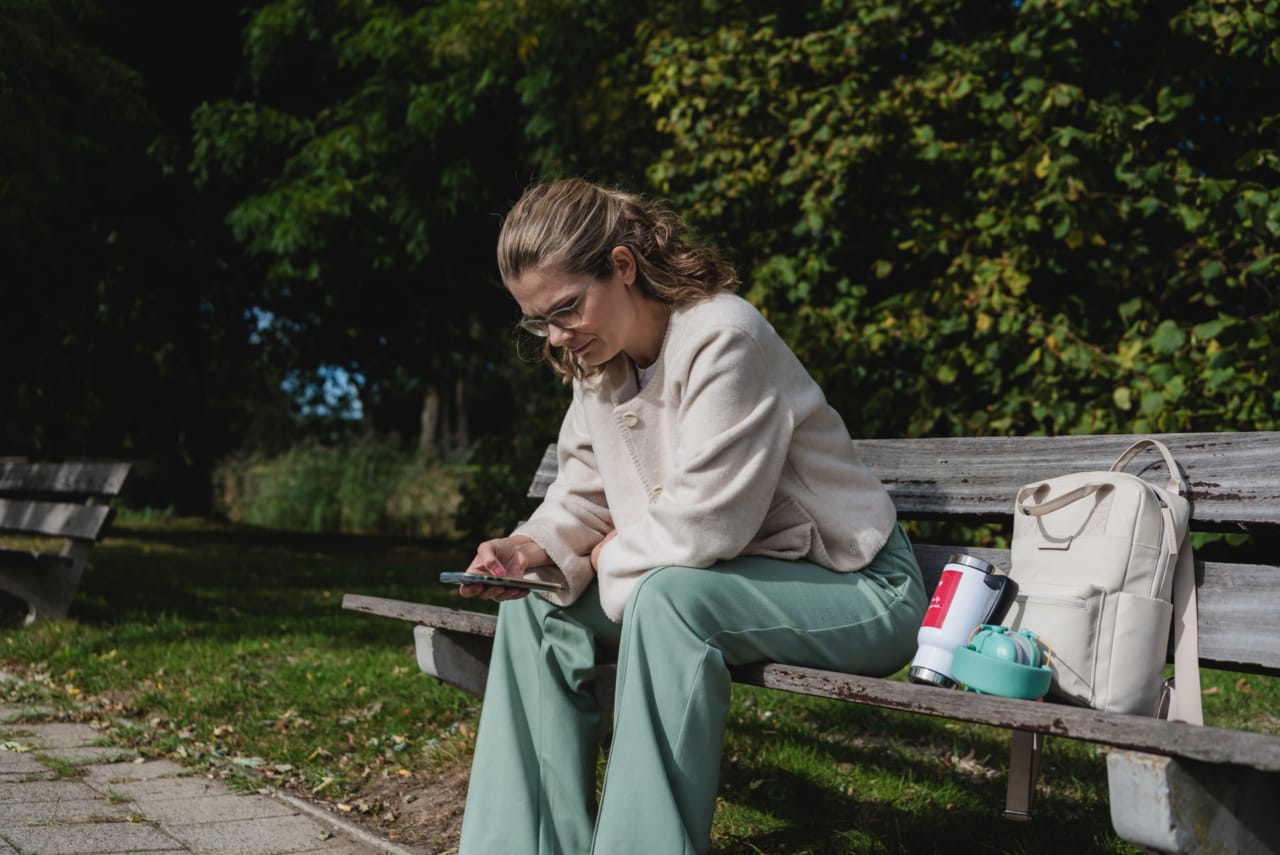
But sadly, screen time with chronic illness is not as simple as just putting away your phone.
Because when you’re seriously sick, your electronic devices can be your lifelines, literally. Your phone gets you the help you need during medical emergencies, reminds you to take your medication on bad brain fog days and tracks your symptoms and potential triggers. Sending texts or talking online may be the only way you can connect with family, friends and fellow ‘spoonies’ when your energy levels and mobility are limited. And as someone who became sick before the Internet was ingrained in everyone’s daily life, trust me when I say that being able to work remotely, order groceries, and shop for clothes and presents online remove many barriers of living with chronic pain, fatigue and brain fog.
From audiobooks to streaming movies, screens also provide positive distractions that take your mind off your pain and problems for a while. And that’s not a luxury when you’re sick at home alone, dealing with debilitating symptoms for most of your waking hours.
Your electronic devices are probably vital parts of your care infrastructure. And yet, digital overload is a real problem, and when you’re chronically ill, you may be more vulnerable to it, not less.
Living with chronic illness already puts your body and brain under pressure. When you add screens into the mix, you may unknowingly increase that strain.
Falling asleep with your phone in your hand may feel good because you don’t notice your symptoms and worries as much. But the blue light coming from your electronic devices suppresses the release of melatonin, making it even harder to fall asleep, on top of your usual ‘painsomnia‘. And the constant notifications and nervous system arousal from late-night scrolling doesn’t help your brain wind down for bed either. As entertaining as it feels, resting during the day also becomes less effective when you’re still checking emails and the news, even if you do so lying down.
Or maybe you’ve noticed that your brain fog seems worse after a screen-heavy day. If you already struggle with poor focus and memory problems, watching short-form videos worsens your limited attention span. Short, fast-paced content also triggers the release of dopamine, altering your brain’s reward system by wanting more and more stimulation. But staring at your screens for too long may trigger migraine attacks, dry eyes in Sjögren’s disease and lupus, or an overstimulated nervous system that increases existing symptoms of fibromyalgia or ME/CFS.
Ironically, the more you look at your phone, the more bored you will get too. Not to mention that scrolling through picture-perfect images of people traveling, doing cool sport events and having whimsical hobbies can make you painfully aware of how different your life looks now that you’re sick. Who wouldn’t feel that pang of real FOMO, loneliness and sadness? But lying still with your thoughts feels uncomfortable too, so you still reach for your phone.
As you can see, digital overload with chronic illness can lead to a flare-up of symptoms and sensory overload, while you’re getting less sleep and mental restoration.
But because the distraction also provides some much-needed relief from pain, boredom, anxiety and social isolation, cutting back on screen time cold turkey is not a great option either. So what does work?
In Digital Minimalism, computer science professor Cal Newport argues that the goal shouldn’t be to avoid technology, but to be intentional about it. You want to make a conscious decision about the role your devices play in your life, instead of letting apps, algorithms and Big Tech shape your daily habits and the content you expose yourself to.
Especially when you’re chronically ill, you want to ask yourself:
‘Does this use of technology support my health, happiness and social connections? Or is my screen time sneakily depleting my physical, mental or emotional energy?’
Instead saying of “just put your phone away”, let’s take a look at some illness-prove strategies to help you prevent digital overload and reduce your screen time, without cutting your lifelines.
For many healthy people, putting your phone in another room while you’re sleeping or doing deep focus work can be helpful to avoid disruptions and improve your focus. But you may have to carry your phone everywhere so you can call for help if an acute health crisis happens. By first acknowledging your complex reality, you can then work around it.
Take a closer look at your technology use:
We’ll list some practical tips later, but first let’s get a clearer picture.
No need to feel guilty for all the hours you were browsing TikTok or Pinterest to stop focusing on your cramps, heart palpitations and anxious thoughts. Auditing your screen time isn’t necessarily about tracking how much time you spend on each app, but more about identifying how your tech usage affects your body and mind.
In that spirit….

This is the part that most digital advice misses. When you’re sick day in day out, screens have an emotional function too. They connect you to your (online) community when you’re isolated, they distract you from pain and give you a sense of control when your illness has taken much of that away. Your electronic devices let you be a part of the world, albeit from your bed.
These underlying needs deserve real solutions, not just the instructions to “use your phone less”.
So ask yourself, what need is my screen use fulfilling right now?
If you have limited energy like most chronically ill people, it makes sense to protect your highest-functioning hours for what matters most, and to be intentional about where screens fit in.
Your brain requires a lot of energy to function, and mental activities like reading and processing sensory input consume more cellular energy than you’d think. When you’re living with chronic fatigue, you shouldn’t just pace your physical activities, but mental strain too, and that includes screen time.
When you tend to feel most alert and energetic in the late morning, make sure you don’t waste that precious window on another funny cat GIF. Keep your phone nearby but turn it face-down and use focus mode to silence notifications during this time. More so, single-task on screens: don’t check your messages while uploading files or play a podcast in the background as you’re doing admin tasks. Every additional stream of input will add to your cognitive load and drain your precious brain power.
Notice when in your personal energy cycle screens seem to make symptoms worse. For many people with fatigue-based conditions, using screens in the evening seems to delay sleep onset and worsen morning brain fog the next day, while checking messages right after waking up can leave you feeling scattered.
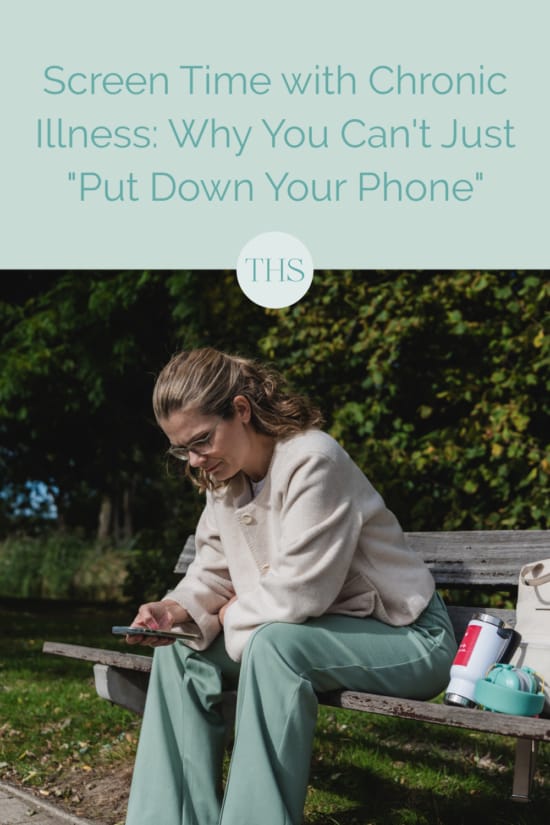
I know, this one is hard to hear, especially if screens have become your primary way of coping with being housebound or in pain. When the outside world gets smaller because of chronic illness, the digital world often expands to fill the gaps.
But the research is fairly clear: passive screen consumption like scrolling through feeds and watching videos does not restore your nervous system, it stimulates it. Your attention is still being captured by sensory input and your brain still has to process those visuals, words and other sounds. One study suggests that social media use may actually delay or impair your recovery from stress.
So what does non-screen rest look like?
Basically, any low-stimulation activity that relaxes your muscles, slows down your breathing and heart rate, and calms your mind.
Sure, it’s best to reserve your bedroom for sleep and intimacy only. But if you’re stuck in bed most hours of the day, of course you’re going to write emails, look up recipes, stream movies and read the news from your bed. You have little choice.
However, you can build some low-screen spaces and times that work around your needs. Maybe you do use your tablet for life admin in bed during the day, but never in the evening. Maybe you do keep your phone closely when you go to sleep, but for relaxing audiobooks only, not for checking the news.
Let’s take a look at some ideas to reduce your screen time with chronic illness that don’t feel restrictive.
1. Remove tempting smartphone features that keep you engaged:
2. Use analogue alternatives wherever you like:
3. Set your own ‘tech rules’, depending on your wants, needs and personal circumstances. Here are some general ideas you can tweak:
Screen time with chronic illness is not about putting your phone away or setting unrealistic time limits when you depend on your phone for emergencies, connections and entertainment. You can acknowledge that screens serve as your lifeline and still set some gentle, tailored-to-you boundaries to prevent digital overload.
Start by taking a close look at what your screen time looks like, how it makes you feel and which underlying emotional needs it fulfills. Once you understand the bigger picture, you can work around your energy levels and redesign rest by creating your own accessible tech rules and screen-free habits.
With some intentionality and small changes, you can make sure your devices help, not harm, your health and happiness.
For more related advice, check out ‘Why You Should Mind Your Mental Diet’ and ’13 Spoonie-Proof Strategies to Improve Your Attention Span’. You can also download the free Bored and Sick Guide for 130 low-tech but accessible activities to replace your screen time.