17 Gratitude Quotes to Inspire True Thankfulness


Doesn’t it feel unfair, to have to fight to be believed and have your needs met, right when you’re so vulnerable and overwhelmed?
Sadly, many of us know what it feels like to sit in a doctor’s office, carefully describing symptoms you’ve been living with for months, only to be met with a dismissive look or a referral to yet another specialist. You’re probably familiar with that sinking feeling in your stomach when you realize the person who’s supposed to help you has already made up their mind about your condition before you finished speaking. And then you’re faced with that impossible decision: will you push back and risk being labeled as a ‘difficult’ patient, or do you let it slide and leave without the help you came for?
But the need for self-advocacy doesn’t stop at medical appointments. At work, it can be hard to ask for accommodations when you worry if your colleagues will quietly judge you for needing flexible work arrangements and a modified workstation. When applying for disability benefits, you may struggle with filling in forms that do not represent your reality and the full spectrum of your symptoms and limitations at all. And during dinners with well-meaning family and friends, you might get passing comments that you might feel better if you just tried a little harder or just think more positively.
Finding your voice and standing up for yourself in these situations is not easy. What makes chronic illness self-advocacy even more difficult, is that you’re almost always doing it while you’re already exhausted. You have to find the courage and energy to speak up and make your case, while dealing with intense pain, fatigue and brain fog. And not just once, but over and over again.
Thankfully, there are some science-backed things you can do to use your voice, even if you’re sick. According to research, patient advocacy in medical settings contains several aspects:
With that in mind, self-advocacy at the doctor’s office can look like:
In personal relationships, rehearsing a short ‘script’ for common situations can help you to speak your truth, calmly but clearly, during difficult conversations.
Of course, in an ideal world, you should not have to defend yourself or justify your actions just because you’re ill. You have every right to be upset when people dismiss your symptoms or judge your character. But within an unfair reality, using your voice can be a powerful tool. Not because speaking up always has the effect you’d hoped for, not because the system always responds the way that it should, but because advocating for yourself is an act of self-respect. It is a way of saying: my experience is real, my needs are legitimate and I am worth fighting for.
Hopefully these 14 advocacy quotes will remind you, on days when you feel small and scared, to stand up for what you deserve.
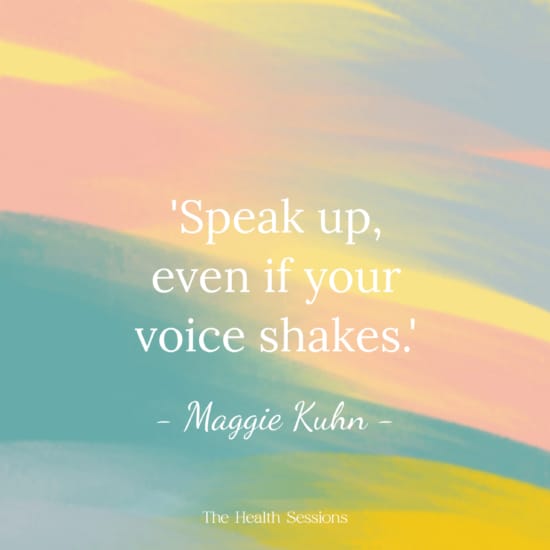
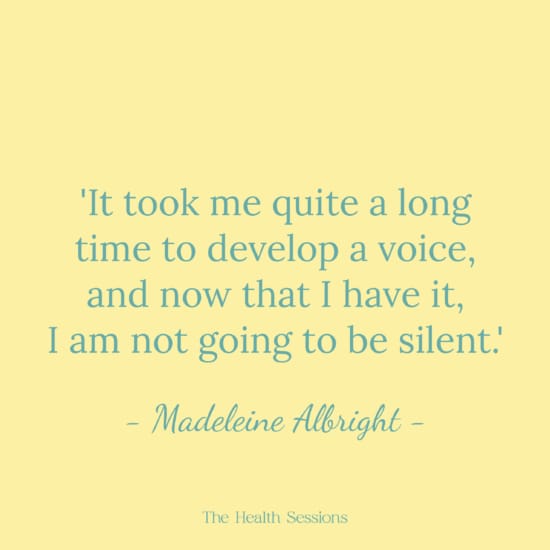
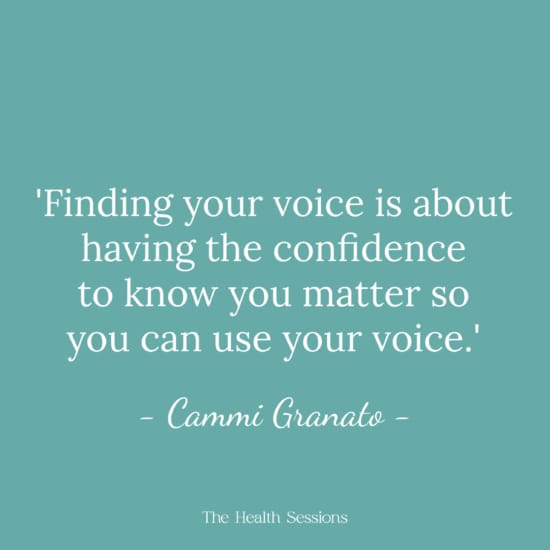
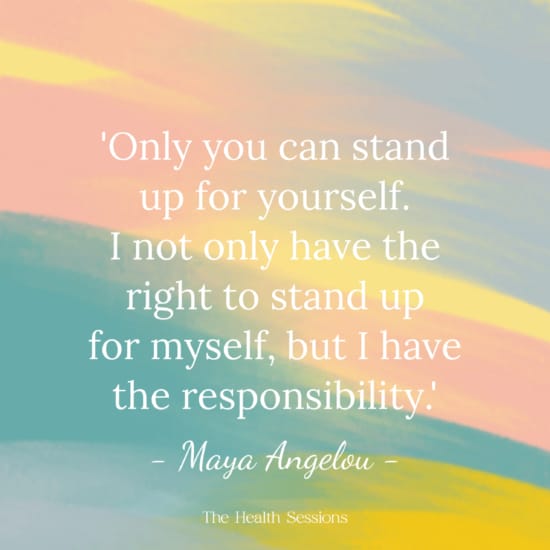
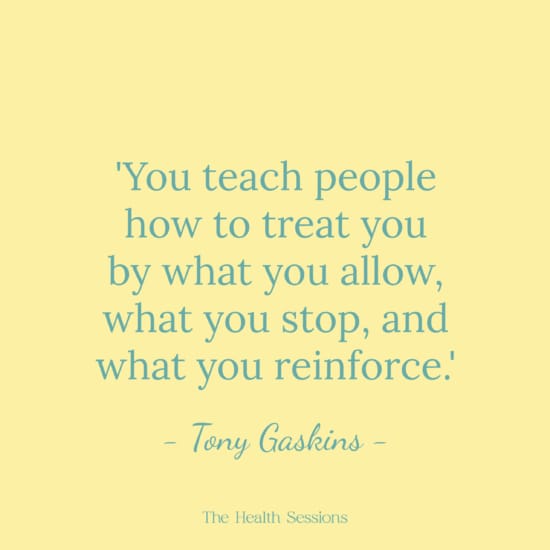
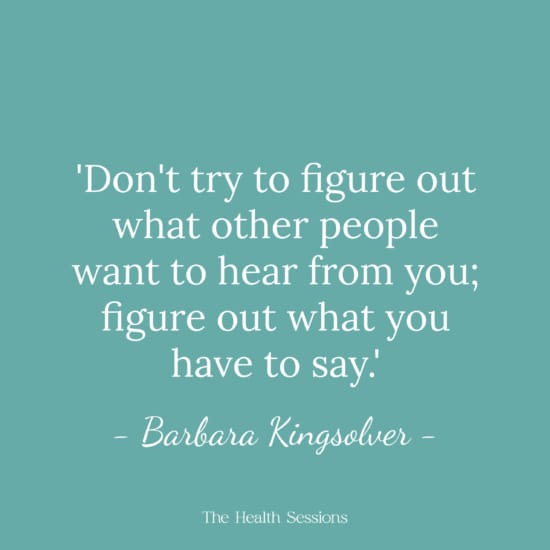
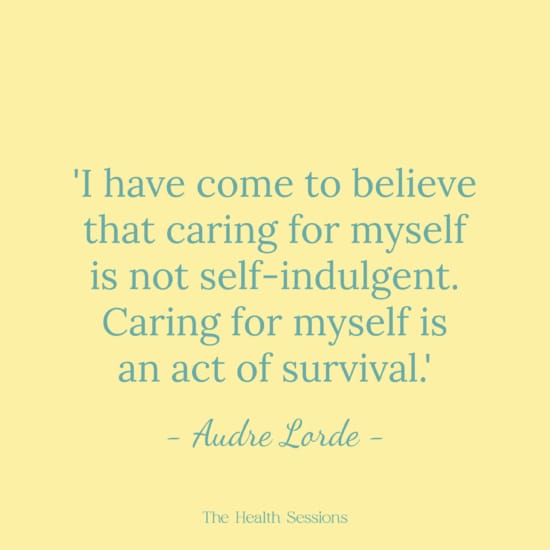
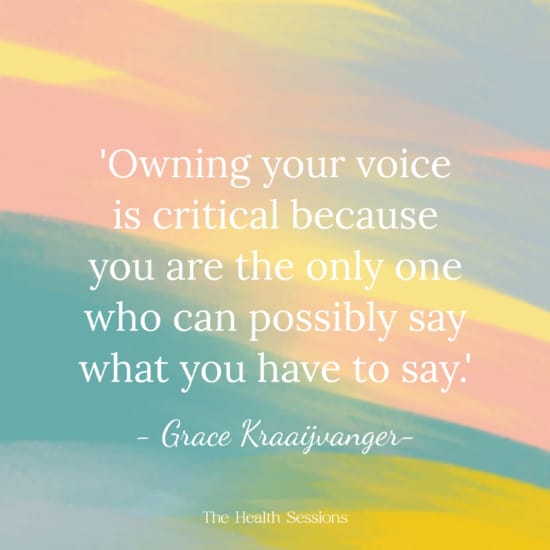

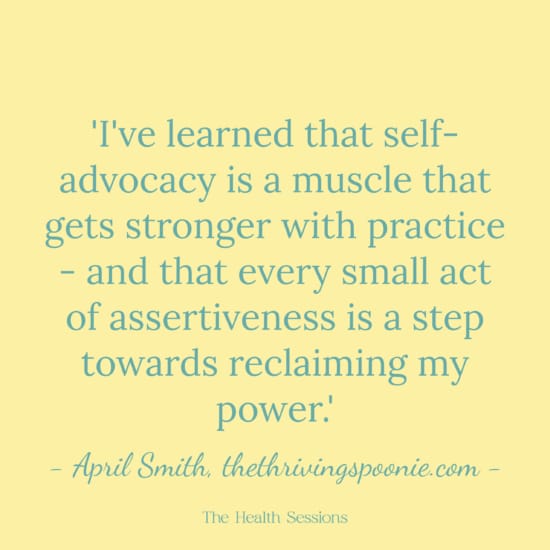
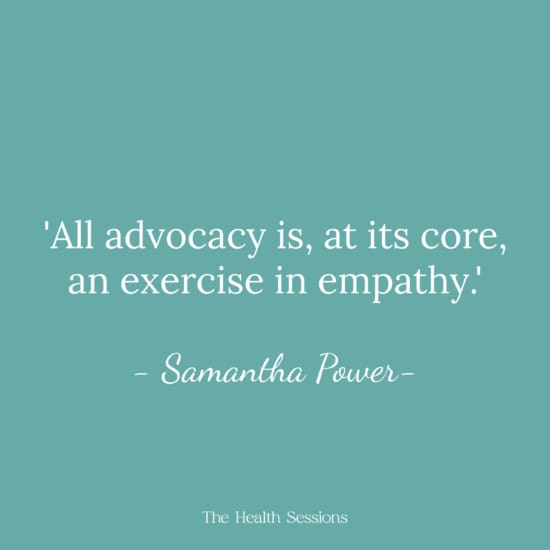

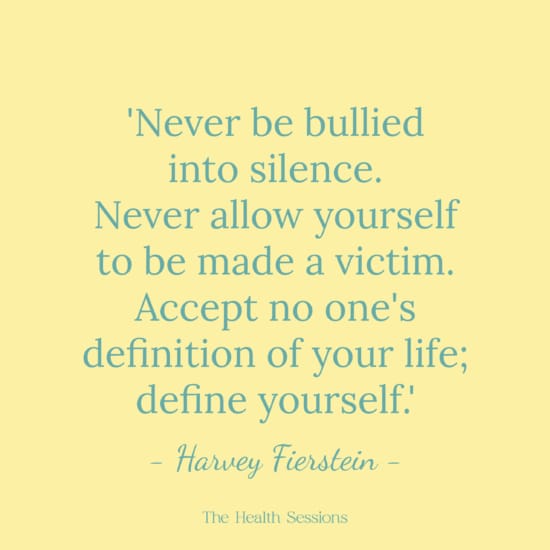

It can be scary and tiresome to stand up for yourself when you’re already struggling with painful symptoms. Let these advocacy quotes remind you that you’re not being ‘difficult’ for sharing your needs and preferences to the people around you. Your voice deserves to be heard.
For more related advice, learn more about ‘Dynamic Disability: How it Affects Your Daily Life, Even If You Look Fine’ and ‘How to Deal with Judgmental People When you’re Chronically Ill’. You can also take inspiration from ’14 Boundaries Quotes to Protect Your Peace’.