6 Natural Ways to Bring the Outdoors Indoors

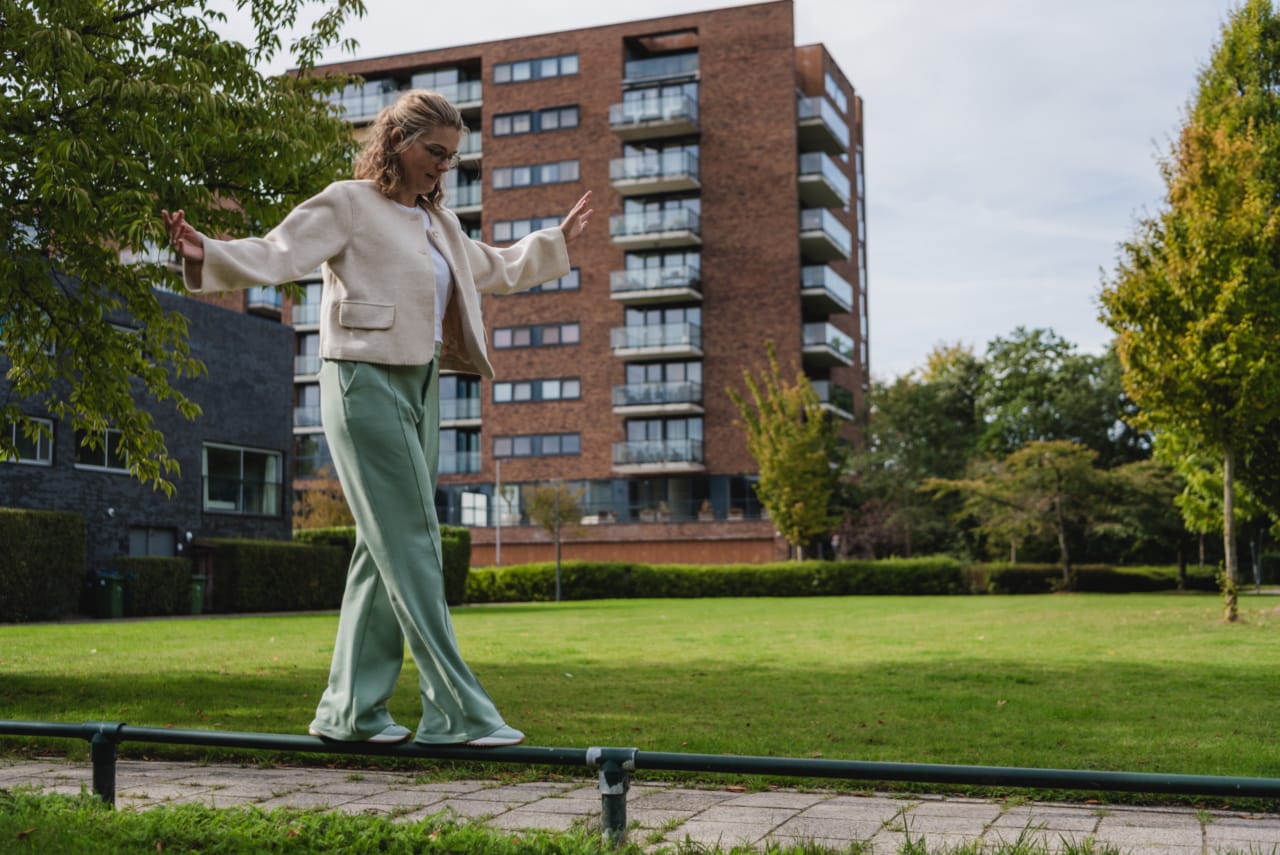
Exercising with chronic illness can be pretty daunting.
Even if you’re well enough to have a workout, simply getting to the gym, pool or recreation center can already take up a lot of your energy. Moving your body with fibromyalgia, EDS and Sjögren’s syndrome can be painful, and then there’s the legitimate fear that overdoing it for just a few minutes will lead to post-exertional malaise or a flare-up of symptoms the next day.
Thankfully, science increasingly shows that doing intense workouts multiple times a week is not the only way to support your health and happiness; short bursts of activity can offer big benefits too. According to longitudinal studies, moving your body for 5 to 10 minutes at a time at moderate intensity already reduces your risk of getting a heart attack and stroke with 41%. What’s more, regular movement throughout the day stimulates your blood circulation and metabolism.
And you don’t necessarily have to do a high-intensity interval training (HIIT) workout either. Gentle movement for fatigue and chronic pain still improves your balance, coordination and range of motion, and especially yoga and tai chi are known to boost your mood and brain health. Actually, getting a wider variety of activities in may support your healtspan even more than playing the same sport twice a week.
So forget exercise if that’s too taxing for you right now, and focus on these accessible but fun ways to move your body with chronic illness instead.
This article contains some affiliate links to resources you may find useful, at no extra costs to you. All opinions are my own.
Staying active with chronic illness is not about pushing yourself, but about adjusting your movements to what your body can comfortable handle today. If you can only do 3 minutes, great! You will still stretch your limbs, get your blood flowing and clear your head. Also try to be flexible: maybe you can still play with your kids, just seated down. Maybe you can squeeze in some fun ‘exercise snacks’ while watching TV or perhaps floor exercises make a good option for you when if you have POTS or ME/CFS.
When you already struggle with pain, fatigue and debilitating symptoms, exercising should not feel like a punishment or another chore you have to tackle. That’s why I’ve listed some fun but gentle ways to move your body despite pain and fatigue. Not every suggestion will be suitable for everybody, just pick and choose what’s right for you.
Take inspiration from these 16 accessible ideas for joyful movement (that don’t feel like a workout).
1. Have a living room dance party. No need for complicated choreography, just put on your favorite song and let your body move to the music. You can even do this seated down or lying half-raised in bed, bopping your head, tapping your feet and swaying your arms. Thanks to the release of endorphins, dancing actually helps to ease pain in people with fibromyalgia. Plus, listening to music boosts your mood and energizes you, making dancing the ultimate feel-good movement.
2. Bounce on a mini trampoline. Did you know that rebounding stimulates your lymph flow and blood circulation, enhances bone health and strengthens your muscles? You don’t have to jump high to get these benefits; standing on the trampoline and shifting your weight can already give you a low-impact workout, without hurting your joints. Make sure you keep safety issues in mind to avoid falls and injuries. Bouncing around may not right for you if you struggle with vestibular balance disorders or orthostatic intolerance.
3. “Switch” it up with video games. Movement-based games like Just Dance, Nintendo Switch Sports and Ring Fit Adventure all engage your muscles and coordination while having fun. You control the intensity of the game, and many games can be played seated down or with arm movements only on low-energy days.
4. Practice chair yoga. You can still gently stretch your body if you have balance issues or trembling legs once you master a few seated yoga poses. No sports outfit or equipment necessary, you can do chair yoga whenever and wherever you want, even on low-energy days.
5. Potter around the garden. Research into ‘Blue Zones’, places in the world with the longest living people, discovered that gardening might be the key to longevity. And it’s not hard to see why: by moving your entire body in green surroundings, you help lower your stress levels, boost your mood, burn calories and feel connected to something bigger than yourself. If you struggle with chronic pain or limited mobility, you can also modify your gardening activities by growing plants in raised beds, sitting on a stool instead of kneeling or using lightweight tools.
No outdoor area? Tending to indoor plants or growing herbs in your kitchen also support your physical and emotional wellbeing.
6. Go geocaching. In this GPS-based treasure hunt where you follow coordinates to find hidden containers left by other players, you collect steps without noticing, because your brain is busy solving the puzzle. The great thing of geocaching for chronically ill people is that you can choose your own difficulty level and terrain.
7. Do tai chi in the park. Tai chi is a series of slow, flowing movements that calm your nervous system while gently strengthening your body. Taking your practice outside will add another layer of mindfulness: the fresh air, natural light and the grounding sensation of grass underfoot all deepen the soothing effect. You can join a local outdoor class or follow along with a YouTube video on your phone.
8. Explore a barefoot trail. Around the world, some parks have dedicated trails where you can (safely) walk over different textures, from sand and bark to moss and smooth stone. Walking barefoot on natural surfaces stimulates the nerve endings in your feet, sharpens proprioception (your body’s sense of where it is in space) and invites you to practice mindfulness in motion. However, do not try this if you have health conditions that affect your foot sensation and circulation (like diabetes) or risks of falling, and watch out for ticks and bacteria in standing water.
9. Play miniature golf. Depending on your condition, this can be the perfect low-energy activity: you walk around outdoors, having fun with family and friends, while getting the benefits of gentle movement, fresh air and sunshine. If you’re mostly housebound, getting a small putting green will allow you to score from the comfort of home.
10. Have a ball with your kids. If your children love soccer, shooting hoops and throwing balls as much as mine do, I can tell you from experience that, with a little creativity, you can adapt most ballgames to meet your limitations. Sit down in the grass and roll a ball with your toddler. Grab a lawn chair and play seated soccer, throw and catch, or basketball. Your kids are in charge of running after the ball if you can’t reach it. Great for hand-eye coordination, activating your muscles and bonding as a family!
11. Host a friendly backyard competition. Lawn games like jeu de boules, croquet and corn hole tossing will secretly let you walk around, swinging your arms and laughing at near-misses, without feeling like ‘exercise’. Most of these outdoor activities can easily be adapted to whatever energy you have: you can throw boules or rings from a chair, or simply keep score for your team from the sidelines.
12. Get into a Nerf fight. Aiming a foam dart blaster, dodging incoming fire and retrieving darts from across the room involves more movement than you’d think. It’s playful, but asks nothing of your body beyond what you can give in that moment.
13. Play in the park. Even as adults, you’ll enjoy throwing a frisbee or vortex for some gentle movement. You could bring a badminton set for a friendly game, push the swings (or sit on them yourself!) or balance on a balance beam. If you’re fit enough, many public parks now feature adult fitness zones too. But even having a picnic on the grass will encourage active sitting, so do whatever feels right for your body.
14. Try hula hooping. You can embrace your inner child and strengthen your core muscles, improve your posture and burn calories at the same time. Even better: it only takes a few minutes of your time and energy.
15. Enjoy the pool. According to science, moving your body in warm water promotes joint mobility, reduces pain and lets you sleep better at night. Swimming offers a whole-body workout, without hurting your joints. You could also take an aqua aerobics class for fun, do some pool exercises on your own, or simply float on the water to relax your body. Important: do make sure that you’re feeling well enough to be around water. Use a flotation device if you’re not a strong swimmer and choose pools with life guards on duty.
16. Go on a color walk. Remember when you were young, how you used to notice all the flowers, butterflies and red doors on your way, instead of mindlessly going from A to B? Bring back those times by picking one color and trying to find it on your walk. Not only will that calm your racing mind and help you see the everyday beauty around you, but focusing on the yellow cars, daffodils, shop signs and ducklings also distracts you from any soreness or mild symptoms you may be feeling.
It’s not easy to stay active with chronic illness, but moving your body should not feel like a physical therapy session all the time. Let these 16 fun but accessible activities inspire you to gently add some activity and joy to your daily life.
Which fun ways to move your body with chronic illness do you enjoy most?
For more ides on staying active with chronic illness, take a look at ‘Exercise Snacks: 24 Ways to Fit in Tiny Bursts of Activity Throughout the Day’ and ’25 Exciting Ways to Get More Daily Steps In’.