19 Fresh Start Quotes for a New Beginning


We all long to be seen, heard and understood. Belonging is fundamental human need, just as necessary for survival as water, food and shelter.
But when you’re chronically ill or disabled, you may know what it feels like to be quietly left out. That event you really wanted to go to? It hadn’t cross anyone’s mind to make it accessible for people with mobility issues. And if they did, you can find the ramp around the back, by the dumpsters. When you disclose your health problems at work, you’re suddenly passed over for projects or promotions, because your manager subconsciously assumes you can’t handle it. And worst of all, over time friends stop inviting you, because you’ve had to cancel plans before or it’s a hassle to accommodate for your needs.
Exclusion is rarely loud. People don’t usually intend to hurt you, they just haven’t considered your limitations at all. And that, in a way, is exactly the point. Your needs are an afterthought. Nobody tells you you’re not welcome; the world just keeps being built for able-bodied people.
Some of the barriers that people with chronic illness face are not created by their bodies, but by the world around them. You don’t just have to work around your symptoms, but also around the queue with no place to sit, the venue without elevators or wheelchair-friendly toilet, the pavement that’s blocked and the effort needed to access important information when you’re visually impaired. That’s exactly why social inclusion – enabling all people to fully participate in society – matters.
Sadly, research shows that living with chronic illness can be isolating, and that doesn’t just hurt emotionally. According to the CDC, social isolation not only leads to loneliness, depression and anxiety, but also increases your risk of getting heart disease, stroke, diabetes and dementia. But it’s not easy to break social isolation on your own when you have limited mobility and energy.
First of all, you deserve to be in every room, in every conversation, in every community. And if someone makes you feel otherwise, that’s a failure of the world, not of you. Inclusion isn’t charity, it’s a human right. So don’t be afraid to claim your space and advocate for your needs. Asking for access or adaptations is not asking for a special treatment.
Communicate kindly but clearly to family, friends, employers and organizations what you need to make events and spaces accessible. There are many different physical and mental impairments, that all require different approaches and adaptations. And let’s face it, it’s hard to truly understand and anticipate the practical problems you encounter with chronic illness and disability when you’ve never been seriously sick. So don’t take it personal if you have to briefly explain your situation and ask for accommodations.
If you have the energy, you can also amplify disabled voices online to spread awareness. Liking and sharing social media posts will help with visibility and reach, while leaving positive reviews for disability-friendly hotels, allergy-aware restaurants and accessible outings supports these businesses and their services.
When it comes to online connections, do remember that someone else’s illness experience looks different than yours, so don’t make the mistake of dismissing their symptoms because they don’t seem to be as sick as you. The chronic illness community should be supportive and empowering, not a silent competition of ‘who has it worse’.
And if you’re healthy but know someone who’s living with serious health problems, the easiest way to be more inclusive is to listen to your sick friend’s experiences, believe them (even if their illness is ‘invisible’) and ask ‘what would be helpful?’ instead of making assumptions.
With all that in mind, have a look at these 15 inclusion quotes for chronic illness and disability empowerment.
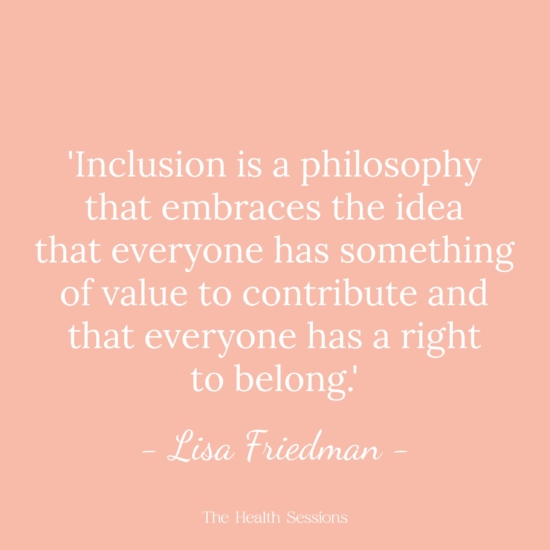
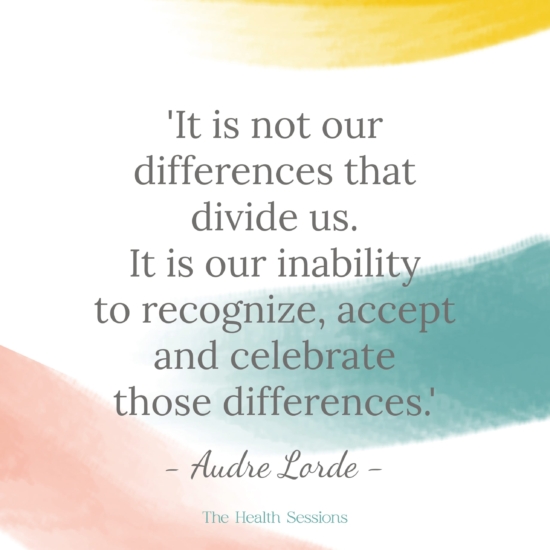
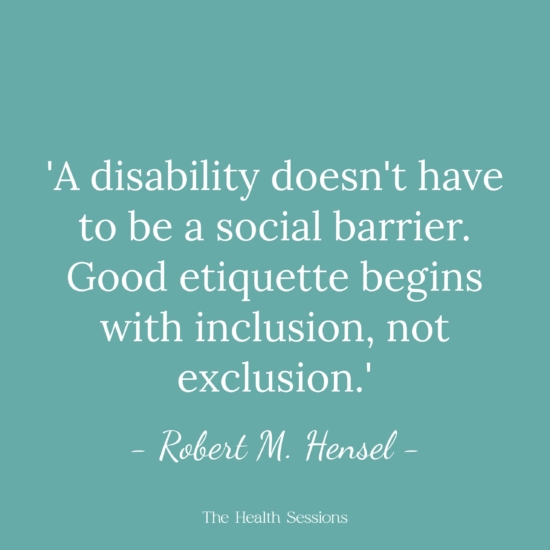
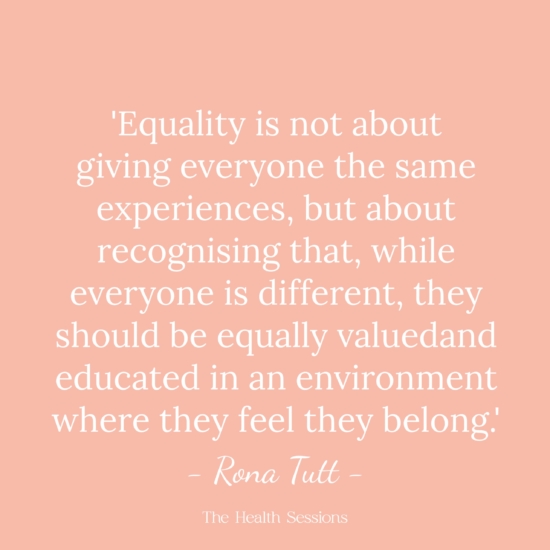


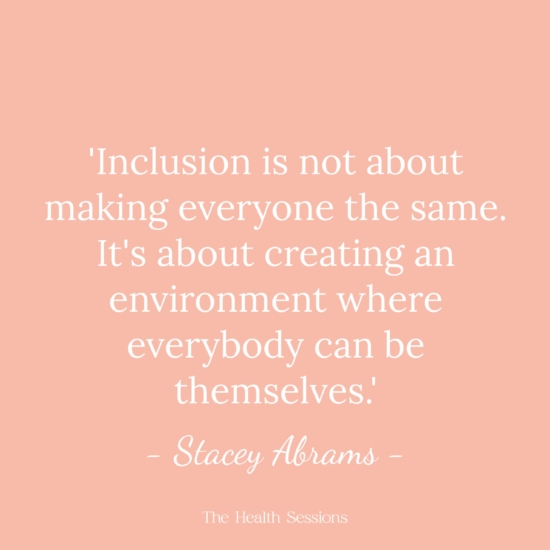
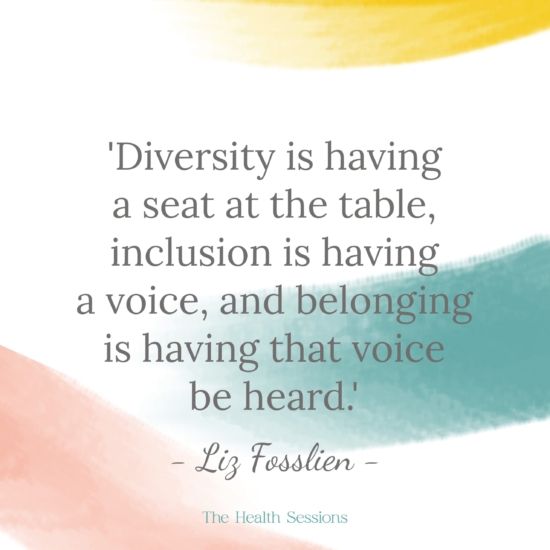

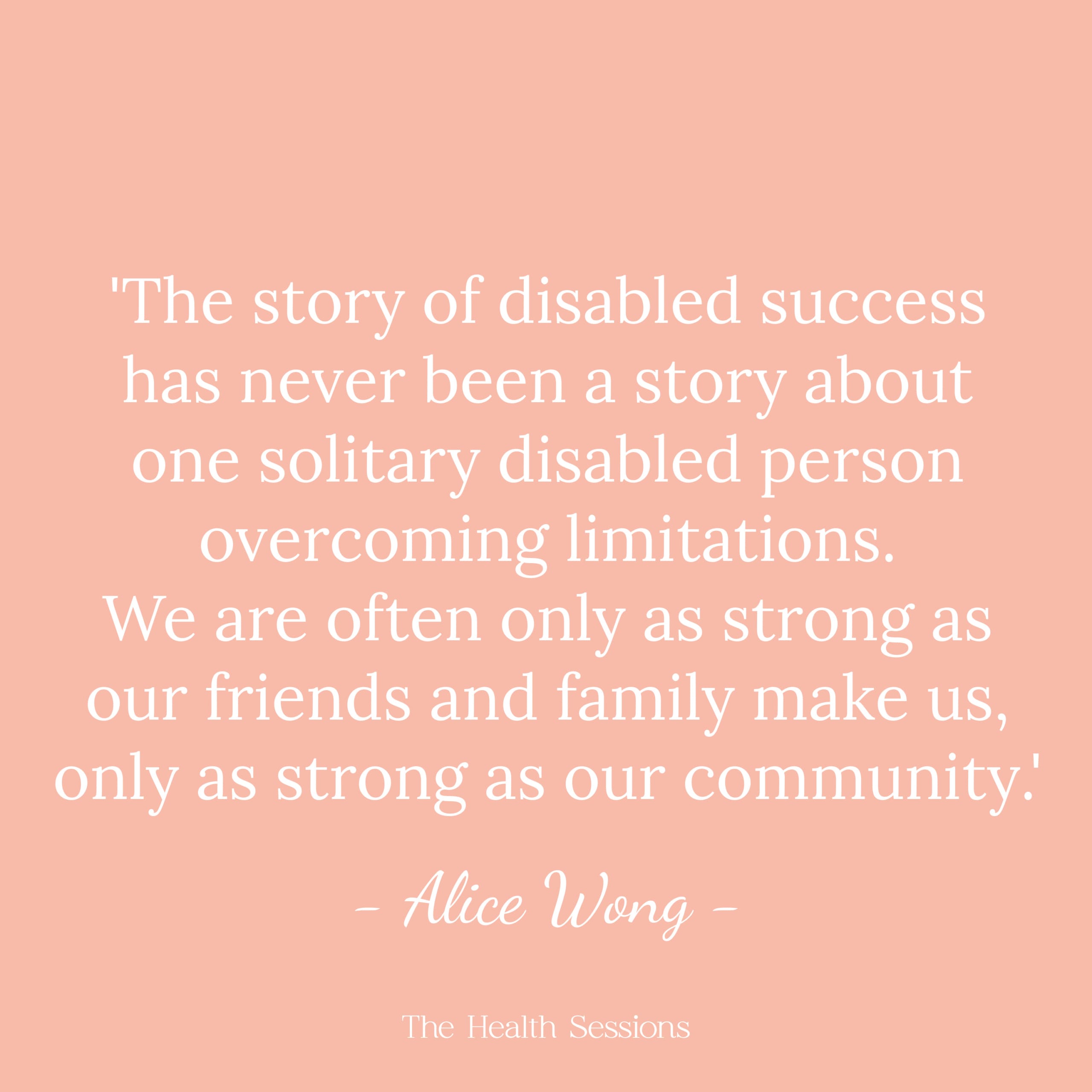

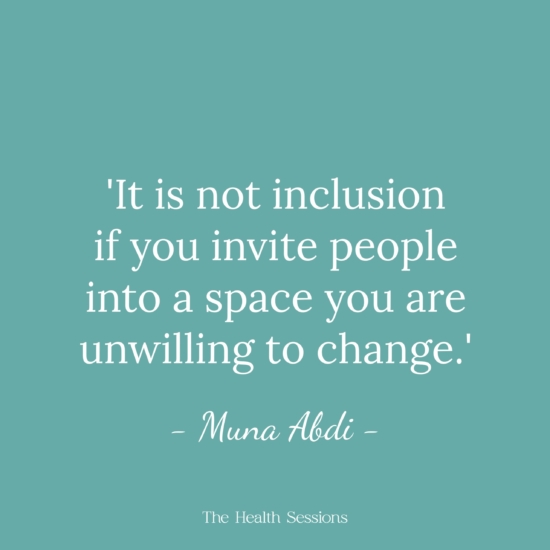


Let these inclusion quotes empower you to take up space, ask for accommodations and advocate for your needs. Because chronic pain, limited mobility and debilitating symptoms already make life challenging enough, without society adding more barriers for people with chronic illness and disability.
Which one of these inclusion quotes resonates most with you?
Tired of feeling excluded? You can find more helpful advice in ’14 Advocacy Quotes to Stand Up for Yourself’ and ‘Living with Limitations: How to Set Healthy Boundaries and Communicate Them’. Also read how to feel less alone in ‘Emotional Loneliness: 5 Things to Do When Nobody Understands You’.

