8 Mental Techniques to Manage Chronic Pain

This blog post contains some affiliate links to resources you might find helpful, at no extra cost to you. All opinions are my own.
It’s the one strategy that’s helped me out more times than I can remember when trying to deal with debilitating symptoms and their accompanying emotions: having a coping toolbox.
When we’re in pain or despair, stressed or lonely, we can all use a little extra support to help us deal with those feelings. In the midst of intense emotions and excruciating pain, we often tend to forget how to best take care of ourselves and what we can do to overcome our problems.
Enter the coping toolbox.
A coping toolbox holds the things that calm you down or lift your spirits in times of distress. Sensory tools like weighted blankets, scents and nature sounds can soothe your nervous system and reduce anxiety, even in scary medical settings. But the physical items or lists with coping strategies also serve as a reminder to deal with hurtful thoughts, feelings and sensations in a positive, proactive way, instead of falling back into bad habits or negative thinking patterns.

A coping toolbox can be literally that: a shoe box, basket, bag or trunk packed with soothing items that you can turn to when you’re having a (really) bad day. The box can contain anything that cheers you up, comforts you, offers relief from physical pain or prevents a relapse.
In my case, it’s never been a physical container, but a continually updated list with strategies to help me deal with worries, sadness and crippling exhaustion: from motivational movies to watch (preferably with female protagonists who kick ass), quotes from books, self-care ideas or big audacious dreams.
You could even create a place to retreat to, a quiet corner in your home with a comfortable chair, soft blanket and preferably a soothing view (the window, a plant or inspiring wall art) where you can calm down and collect your thoughts.
When you’re struggling with chronic illness or mental health problems, having a coping toolbox can help you in several ways:

You can put anything in your coping box that makes you feel good physically and emotionally, but here’s a list of ideas to get you started.
Really paying attention to a sound, texture or scent takes up space in your brain, leaving less room for processing pain signals. This ‘sensory grounding’ also calms your nervous system and quiets the activity in your brain’s emotional network.
That’s why it’s helpful to create a collection of things that engage your five senses to deal with difficult feelings or a mental health crisis.
1. Books and movies. The right story at the right time is like a bandaid for a broken heart. Reading a book that’s related to your troubles or watching a movie that will put you in a better mood can be powerful coping tools when you feel lost.
If you’re looking for specific book titles you could put in your coping box, head over to ‘Bibliotherapy: How Reading Fiction Can Help You Feel Better’ and ‘A Book for Every Mood: 25 Comfort Reads for Chronically Ill People’. You could also check out 47 Movies That Helped People Cope During Their Depression and 33 Movies to Watch When You’re Sad, Glum or Bummed Out!
2. Music has the power to change your mood, ease stress, enhance your brain functioning and even help you manage pain better. So create a playlist with upbeat tunes or beautiful lyrics, sing along with sad songs until you feel better or listen to natural sounds to calm your mind.
3. Something soft to the touch. Hold the beloved stuffed animal from your childhood, curl up under a warm blanket or put on cozy socks.
You could also rhythmically rotate prayer beads or use sensory supplies like a stress ball, bean bags or weighted blanket to relieve stress. But a smooth worry stone, fidget cube or heat pack are low-cost, easy to keep on hand items that provide pressure and sensory grounding too.
4. A journal. Trusting your innermost thoughts and feelings to paper can be a useful coping tool to process and accept challenging situations. Whether you want to organize your thoughts, express difficult emotions, practice self-reflection or brainstorm solutions to your problems, journaling can lower your stress levels, reduce depression and anxiety, and provide mental clarity.
5. Photos or mementos that take you back to happy moments in your life and instantly put a smile on your face! Reminiscing good times helps you cope better with stress, reduce negative emotions and makes you feel more resilient.
6. Art supplies. Expressing yourself in a creative way can help you process your experiences and provide emotional relief. So put an adult coloring book and pencils, a cute crochet kit, jewelry making supplies or a copy of Wreck This Journal in your coping box if you enjoy creating things.
7. Scents can trigger strong emotions and memories, more than any other sensory cue. Use this to your advantage by adding a sample of your favorite perfume, relaxing essential oils, scented candle or incense to your self-care kit.
8. Chocolate. Because let’s face it, whatever the problem is, chocolate always helps.
9. Words with meaning, like positive affirmations, inspiring quotes, religious passages or poetry, can provide insights and help you make sense of your situation.
10. A list or vision board with your goals and dreams could motivate you to hang in there, to give it another try once you’ve dried your tears. You can go digital or analogue, choose motivational words or soothing pictures, whatever is right for you.

Being in pain is exhausting and demoralizing. Heat and cold, gentle pressure and slow movement can all interrupt pain signals or ease the muscle tension that worsen your aching. So it’s worth keeping a few pain-specific items in your coping toolbox too.
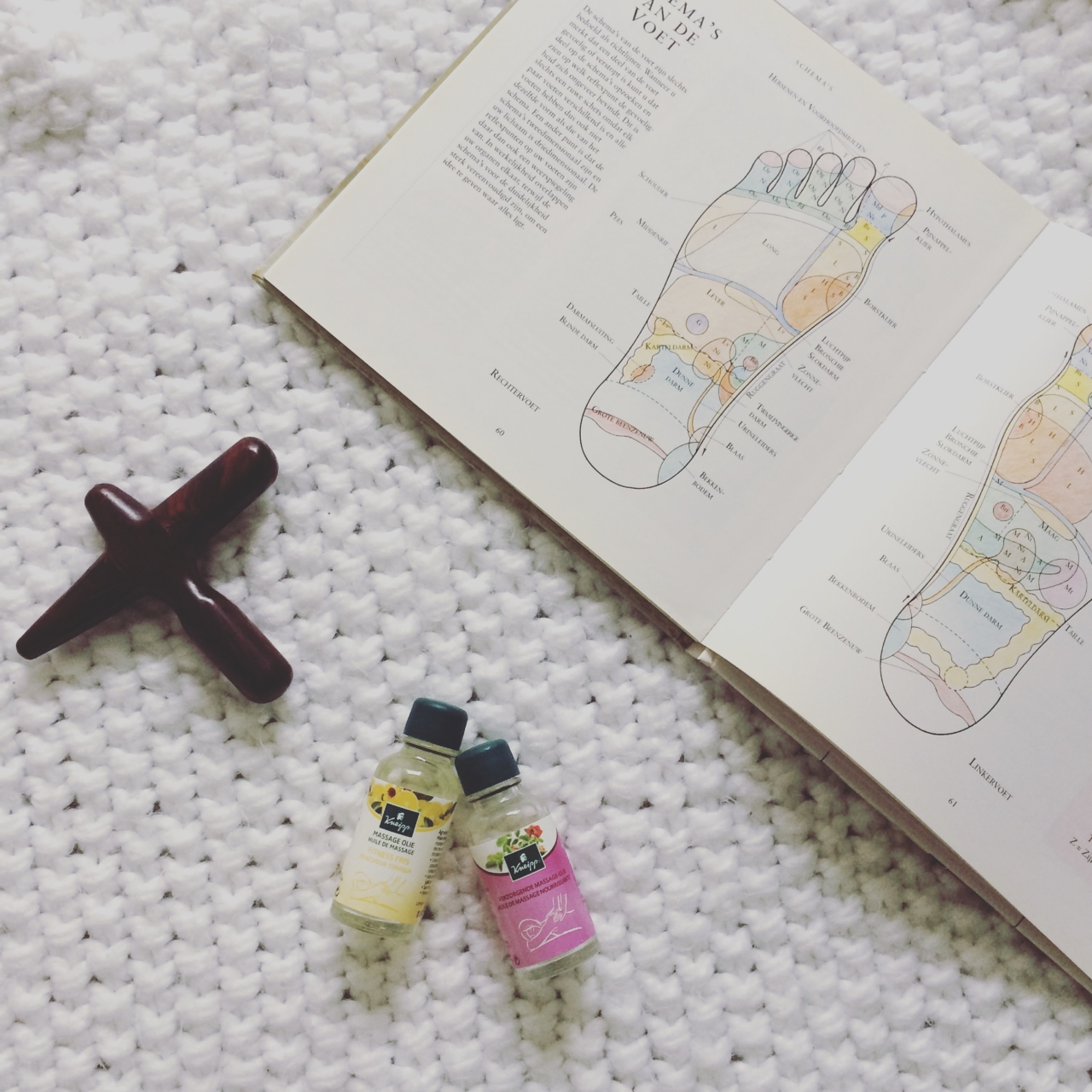
11. Products that help you manage your pain. A cherry pit pillow, self-massage tools, herbal bath oils or a Relief Balm soothe aching muscles and joints, and provide relaxation.
12. Calming items that trigger your natural relaxation response, like chamomile tea, lavender essential oil, your favorite luxurious wellness products or magnesium oil spray to sleep soundly.
13. A list of physical self-care ideas. Because when you’re in pain, it’s not always easy to remember all the routines that could ease your aching: a warm bath customized to meet your needs, progressive muscle relaxation, yoga exercises you can do in bed or going for a gentle walk to boost your circulation.
14. Heat therapy. Placing a heating pad on your painful neck, back or belly doesn’t just offer relief, but the warmth can actually make you less lonely too.
15. Support good posture when you rest with a body pillow to keep your spine aligned while taking pressure off painful joints. You could also consider a lumbar cushion for sitting up in bed without (worsening) lower back pain.
16. Products that provide relief from sensory overload. Filter out painful lights and sounds with a sleep mask or noise-cancelling ear plugs when you’re struggling with migraine, long COVID or ME/CFS.
By definition, chronic illness cannot be healed overnight. But you can still keep some things in your coping toolbox to help you overcome the obstacles you face when living with serious health problems.
17. A note with a reminder: “What is the most important thing I can do right now to make my situation a little better?” There are no easy solutions and quick fixes, but there’s always one small step you can take towards a better tomorrow.
18. “Prescriptions” about how you can best overcome your problems, such as tried-and-tested tips on how to deal with feelings of depression and anxiety, rumination, self-harm or engaging in addictive behaviors.
19. Detailed descriptions of helpful activities. You can find instructions to calming breathing techniques, relaxation exercises or grounding by clicking these links, but you could also include a meditation guide or a gentle yoga routine in your coping toolbox.
20. Psychological therapy tools to manage your thoughts and emotions, such as an emotion chart to identify your feelings, a worksheet to recognize and challenge automatic negative thoughts or a record to strengthen your positive core beliefs.
21. Draw up a crisis plan for when your problems become too much for one person to handle, including the contact information of caregivers, medical professionals or help lines when nothing else seems to work. Please never hesitate to reach out for help. You do not have to go through this alone.
22. Your personal recovery plan, with tiny, doable things you can do to boost your health and happiness in the short and the long run. Having a step-by-step program doesn’t just make you feel better once it’s implemented, but can also help you to regain a sense of control over the situation.
It’s important to note that after a while some comfort items may stop working well or that they now serve as a reminder of your struggles instead of positivity. So don’t hesitate to update your coping toolbox with some fresh products and strategies whenever it feels right.
Having your comfort items, pain-relief tools and grounding techniques in one place means that on your hardest days, when you can’t think clearly or search for solutions, you only have to reach for what’s already there.
Start small and pick 2 to 4 items from this list that resonate with you, and build the rest of your coping toolbox over time as you learn what supports your body and mind during tough times.
Which comforting tools help you to cope with pain or distress?
For more items and strategies for your coping toolbox, check out A Book for Every Mood: 25 Comfort Reads for Chronically Ill People’ and Art Therapy: 44 Creative Ways to Support Your Health and Happiness.

