How to Manage Your Blood Sugar Levels When Temptation’s All Around

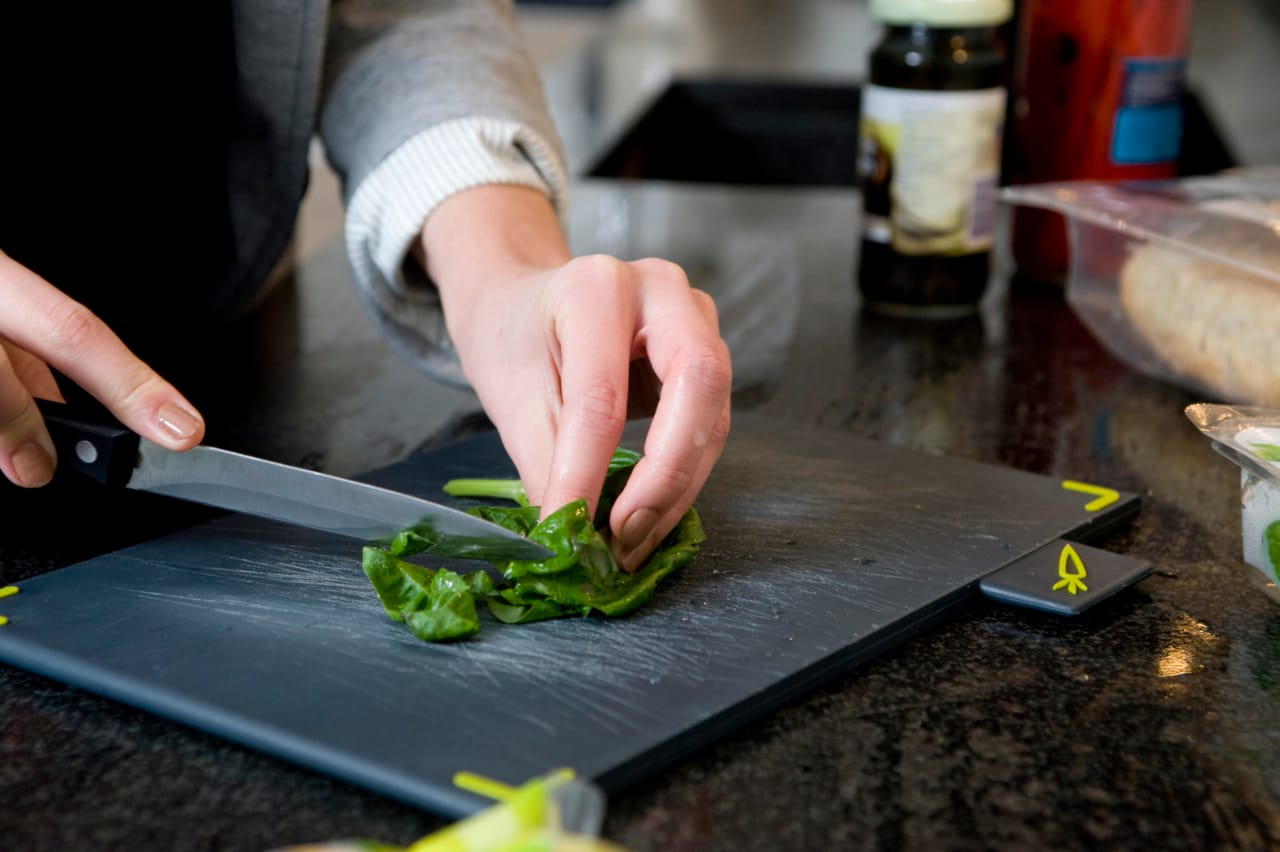
It’s the eternal question for many home cooks: “What shall I make for dinner tonight?”
Maybe you find yourself browsing the supermarket aisles for inspiration, only to come home with the standard ingredients for your go-to pasta. But not only does eating spaghetti bolognese three days in a row get pretty boring, falling into a food rut also puts you at risk for an unbalanced diet. As I wrote in last week’s post, consuming a lot of different types of food helps you to get all the vitamins, minerals and phytonutrients you desperately need to stay healthy.
But finding ways to ingest the entire range of necessary nutrients is probably not be the first thing on your mind when you have to come up with a meal that’s not only healthy, but also kid-friendly, quick to make after a tiring day at work and easy to digest before heading off to karate class. That’s where food templates come in.
Now I actually enjoy planning a wholesome yet tasty weekly menu (but then again, I’m one of those crazy people who love making lists). Over many meal planning sessions, I found that using a personalized food template makes it a lot easier to come up with a week’s worth of delicious dinners that make up a balanced diet.
By limiting your options, food templates lower your mental load, save you time and energy, reduce stress and maybe even food waste, while still adding plenty of variation to your diet.
Today I’m sharing my secrets for stress-free meal planning, with two different food templates for a balanced weekly menu.
Whether you’re a diehard meat eater, a closet carb addict or a veggie lover, you probably unconsciously base your dinners around either a protein, a starch or your choice of veggies. Get creative and effortlessly mix up your dinners by rotating the stars of your meals.
When thinking of a new recipe to try, many of us focus on meat or fish as the base ingredients of our dinners. If your mind works like this, why not alternate between your favorite choices of protein?
Here’s an example for omnivores, but don’t overlook the plant-based options. This stress-free meal planning template also works for creating a balanced vegetarian meal plan, by alternating tofu, legumes, dairy and nuts.
Ideally, half of your plate should be filled with an abundance of veggies, but cooking up a different dish each night can be a challenge.
However, there’s an easy trick to eat a wide range of greens every week: alternate between the various vegetable families. Each family group has its own nutritional benefits: cruciferous veggies are known for their cancer-fighting compounds, while beans and legumes contain lots of protein and fiber.
Get the best of all worlds by picking from an other type of vegetable every day!
You might think you’re having enough variation in your diet when you’re having cereals for breakfast, a sandwich for lunch and pasta at night, but chances are, you’re mostly eating the same (refined) wheat all day long. You can easily get a wider range of nutrients in by basing your stress-free meal planning around carbohydrates:
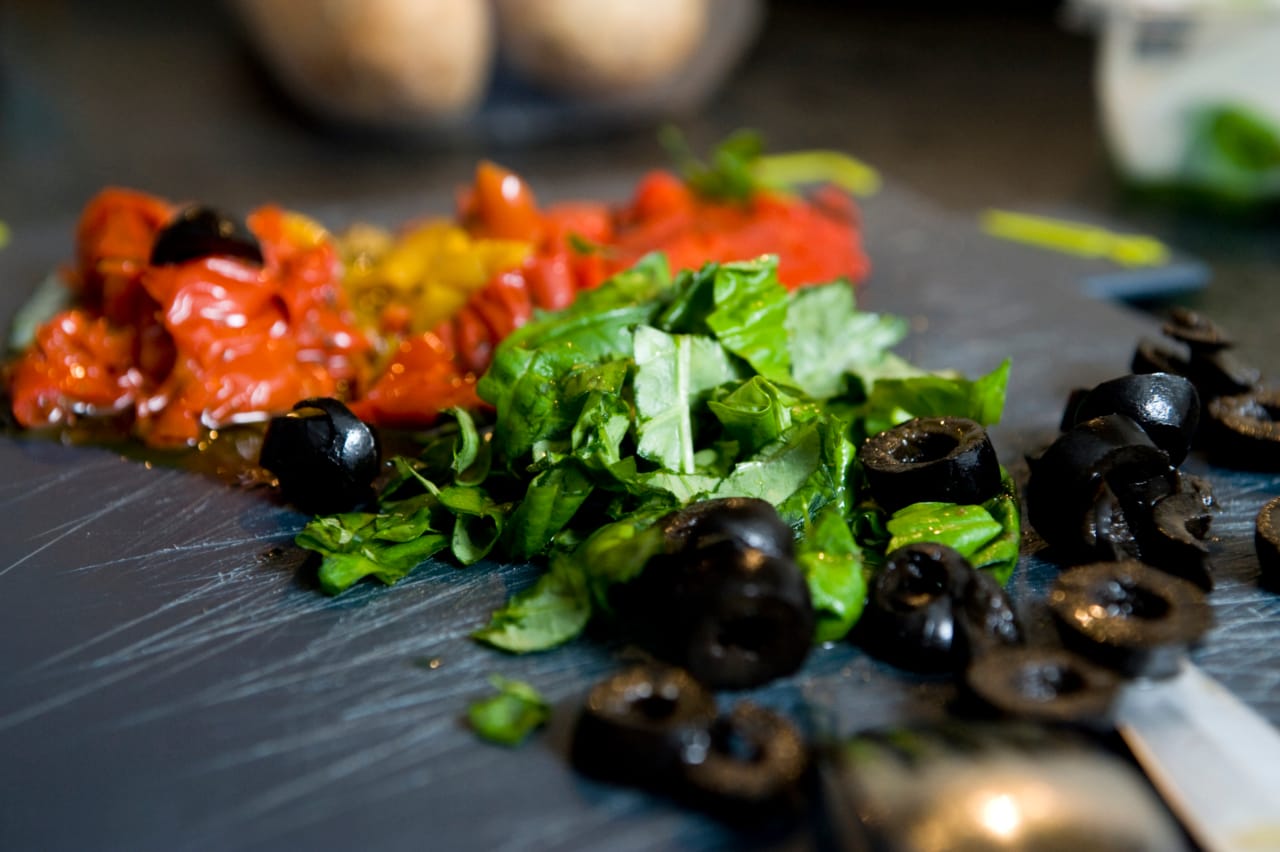
Are your dinner plans influenced by your regular routine of working out on Wednesday evening and socializing during the weekend? Or do you find yourself longing for a comforting pasta dish at least once a week?
Then maybe assigning a culinary theme to each day helps you to come up with a varied week menu. Your personalised food template will obviously depend on your own schedule, but here are some ideas to get you started:
Start your week off with a tasty plant-based dinner, like this Been Chili with Walnuts and Dark Chocolate from Green Kitchen Stories. You could also have the Roasted Eggplant Shakshuka from The Brick Kitchen or Vegan Caesar Salad from Dolly and Oatmeal, whatever you fancy.
Meat, potatoes and veggies are still a classic dinner in many Western households. Martha Stewart’s Sirloin Steak with Roasted Potatoes and Asparagus and the Greek Sheet Pan Salmon with Potatoes from might soon become a new family favorite.
If you’re more a’ Taco Tuesday’ family, try the Brussels Sprout Tacos or Spicy Fish Taco Bowls, both form Pinch of Yum.
Rushing your kids to their extracurricular activities? Or do you need an easily digestible meal before your yoga class?
Then a classic Niçoise salad, Asian stir fry or these Sexy Spring Rolls from My New Roots are just for you! If you’re on the go, you could bring the Vegan Hot Dogs from Love and Lemons or Chicken Pita Pockets from SideDish.
Cooking and cleaning up gets a lot easier when you can throw all your ingredients into a single pan. A great example of a no-fuss meal is this Vegetable Pot Pie from Yummy Mummy Kitchen, but Sheetpan Gnocchi with Roasted Vegetables from The Kitchn and Instant pot Chicken and Spinach Ramen from half Baked Harvest also work well.
Celebrate the start of your weekend with a healthy version of your favorite comfort foods!
Indulge yourself with Posh Pork Kebabs by Jamie Oliver, have a Pan – Seared Salmon Burger from One Two Simple Cooking or Mini Eggplant Pizzas from KaleJunkie. You could also snack on Chipotle Cauliflower Nachos from Love and Lemons or Crispy Spring Rolls from Bianca Zapatka, whatever you’re craving.
Not in the mood for complicated cooking? Try this comforting Tomato Soup with ‘the Best Chicken Salad Ever‘ according to Jamie Oliver. Or maybe you’d like to pair a Thai Green Curry Noodle Soup with a fresh and crunchy salad?
Lazy Sunday afternoons were invented for hearty meals roasting in the oven or slow-cooked dinners. Warm up with a Life-Changing Instant Pot Beef Stew on cold days or enjoy the taste of Spring with this Crockpot Quinoa Chicken Primavera in Spring (both from Pinch of Yum).
Instead of wondering which groceries to boy and what to make for dinner tonight, using a food template reduces your mental load and saves you precious energy.
Whether you base your meals around a mix of proteins, carbs or vegetables, or you prefer having a theme for each day of the week, both strategies make meal planning a little easier, while still getting a wide variety of foods and nutrients in.
Does the question “What’s for dinner?” stress you out? How do you come up with fresh meal ideas on a regular basis?
If you enjoyed this post, you might also like How to Effortlessly Eat a Balanced Diet and 20 Make-Ahead Meals for Busy or Tiring Days.

